Sunday, February 2, 2020

Which side to wear a mask How to wear a mask that you should know.

Which side to wear a mask How to wear a mask that you should know.

The new trend for city people wherever they go Then must see someone wearing a mask At least 10 people have to walk. There will definitely be 1 person to wear. It is considered good for people to turn to pay more attention to health. By protecting your own respiratory system But if you observe carefully Will see someone wearing like the green side But some people instead took off the white side Until wondering which side the mask is actually wearing What is the correct way to wear a mask? Until we go to find the answer And summarize how to put it correctly to be read

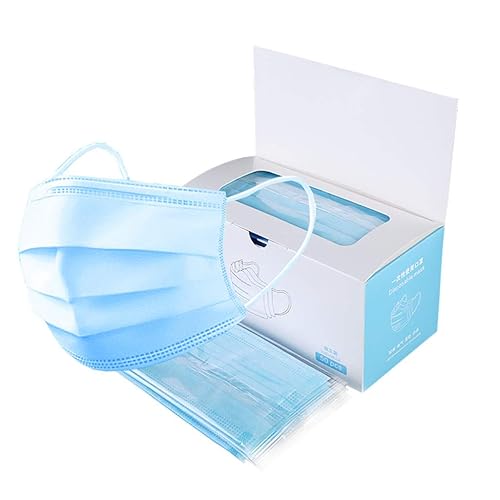
There are 2 types of mask. General mask That we often see doctors using This mask can be used to prevent the spread of germs through coughing or sneezing. But the area below does not prevent exposure to contaminants from inhalation.

The other mask is The N95 face mask covers the mouth and nose completely. Higher efficiency than conventional models Helps to prevent very small pathogens. Used in medical fields that require high safety from infections such as TB prevention. Or anthrax And the people working on chemicals are also popularly used

For the use of general people Can choose to use both types depending on convenience The most important is Must know which side the mask should be worn and how to wear the mask correctly To get the most benefit General face masks should be worn to fit the face. Turn the colored side out. And have the side with the wire on top If it is colorless Notice the crease of the mask. If the corner of the crease is pointing down That side is the outside of the mask.

As for how to wear a N95 face mask, hold the mask in your hand. And cover the mouth and nose Pull the strap under the head strap. Then pulled down under the ear area Then pull the top strap around the back of the head Squeeze the wire area to fit the nose. Test the fit of the mask by using both hands to pat the area of ​​the mask and try to breathe. If the mask fits the face when inhaling, the mask will collapse. Exhale to inflate

But if the mask used is wet from secretions such as saliva, mucus, the mask should be changed immediately. And should not be reused Before disposing, the mask should be put in a sealed bag. Or dumped in an infected trash And wash hands to prevent residues

Although the mask is useful But it is not 100% protective. Even if you choose to wear a N95 mask, it can only prevent 95% of germs. Ideally, you should not only put your hopes on the mask. There are still more sure alternatives than that.

The choice is Purchasing health insurance with him Such as the new dimension Super Plan health insurance from Cigna, the premium starts at only 452 baht per month, providing coverage of up to 300,000 baht per disease. If Cigna is detected and gives a lump sum for living immediately And pay for the actual treatment until healed This can be assured that Even if the mask is not the most protective But we can live life to the fullest as before.


Sanitary Masks


The debate about sanitary masks: do they serve to protect against the coronavirus?

The debate about sanitary masks: do they serve to protect against the coronavirus?

Around the world there are people who buy protective masks with the hope of keeping the new virus detected in China at bay. Some companies demand them from their employees. South Korean schools ordered parents to equip their children with masks and hand sanitizer when they return from winter break. In China, they fined a chain of pharmacies for multiplying the price of this product against the incessant demand.

But do the masks work? It depends.

All viruses are small enough to go through the classic medical mask that fits with a rubber band. But usually, germs don't spread through the air one at a time, said Dr. Mark Denison of the Vanderbilt University Medical Center in Nashville. Denison studies SARS and MERS, which are coronaviruses, the same family to which the new virus belongs.

Instead, viruses pass from one person to another in small droplets expelled when coughing or sneezing . These drops fall on hands or on other surfaces, where others touch them before putting their hand to their eyes, nose or mouth.

Masks can block large drops of a cough or sneeze , which gives them some value, Denison said.

The scarcity of masks in China forces to resume work activity at the usual levels and ask foreign producers for priority (Reuters)

In addition, a person with a mask cannot touch his nose and mouth. That can prevent the user from getting germs that someone sick has left on other surfaces, he said.

Masks are " a very sensible precaution " while scientists work to determine how exactly the new virus is spread, said Oxford University researcher Trudie Lang.

However, none of this is based on serious research . No one has compared groups of people with and without masks exposing them to the new virus, Denison said. A 2017 analysis of several studies in health personnel indicated that the masks gave some protection against SARS, although the authors pointed out that " the existing evidence is scarce and the findings are inconsistent ."


Sanitary Masks


The right prevention

The best way to avoid getting the new virus is to wash your hands with soap and water . If soap and water are not available, use an alcohol-based hand sanitizer. It is the same advice as to avoid the common cold and flu.

The American Centers for Disease Control and Prevention (CDC) recommends masks for people who are being checked for the new virus, confirmed patients, people they live with and those with whom they live. They attend them . The CDC recommends that airline staff offer masks to sick travelers.

The CDC also advises that health workers who care for patients with the new virus take extra precautions such as goggles or rigid masks that protect the entire face.

UNICEF said Wednesday that it had sent six metric tons of respiratory masks and protective suits to health workers to China.

In Tokyo, the hotel employee Hasumi Tsuchida, 21, said she is wearing a mask. "I work in a hotel where many guests are from China," he said. "I worry a little when foreign guests arrive."

In some countries it is common for a person to wear a mask if they are sick, suffer an allergy outbreak or on days where the contamination is especially high. The new virus has triggered the demand for masks worldwide.

Very high demand

Respilon, a Czech company that manufactures its “nanofiber” masks in China, sold 700,000 last year worldwide. Since last week he has received orders for another 7 million . The problem is that it cannot manufacture them because the Chinese government extended the holidays of the Lunar New Year in an attempt to contain the spread of the virus.

In Taiwan, where celebrations are over, factories are underway. The government has already distributed 23 million masks, Prime Minister Su Tseng-chang said, claiming the country could produce another 4 million units a day.

A mask factory in Shanghai worked at full capacity despite the holidays.

" Now we work 24 hours, 2 shifts a day, 12-hour shifts, " said Liao Huolin, president of the company. "We have broken the labor legislation ... but the workers understand it."

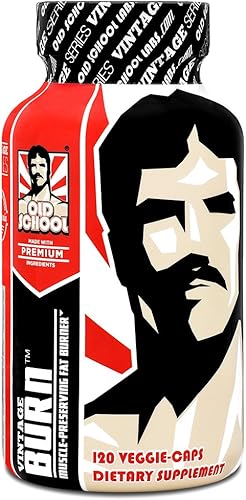
VINTAGE BURN Fat Burner - The First Muscle-Preserving Fat Burner Thermogenic Weight Loss Supplement – Keto Friendly, Appetite Suppressant - For Men and Women - 120 Natural Veggie Diet Pills

How to burn fat fast


Reducing body fat has many benefits and benefits for health. Reducing fat may help to control disease and chronic conditions (such as diabetes or high blood pressure) and also reduce the risk of colorectal cancer and heart disease. [1] In addition, the breakdown of body fat will Helps you feel better More powerful And have an incentive to perform behaviors that result in better health (such as regular exercise). [2] There are many diet and exercise plans that guarantee weight loss and fat burning. fast But the best way to lose fat fast is to do all of these things, including eating Exercise And small lifestyle changes


Exercise to burn fat

1. Measure the heart rate. While your body is resting Place two fingers directly on the wrist near In the middle where you can feel the pulse and heartbeat Use a timer or clock on the other hand and count your pulse for 15 seconds. Multiply the result by 4 and you will get your heart rate while resting per minute. [19]
  •         The maximum rate that your body can handle (MHR) is 220 minus your age. For example, if you are 30, the MHR is 190.
  •         Target heartbeat levels during intense exercise should be around 70–80% of the MHR.
  •         These numbers will help you assess the level of your exercise.

2. Begin your routine with light exercise. When you start to exercise You should reduce the intensity of exercise first. Research also shows that you will burn the most calories from light exercise. [20]
  •         Try to exercise lightly for 20-30 minutes a day.
  •         Exercise at a gentle level Will not make you breathe faster significantly If you can still easily talk to other people While exercising This is considered a light exercise.
  •         The heart rate level that is the target of gentle exercise. Is at 40% of the MHR.
  •         Any activity, from walking to mowing grass, is considered a light activity. Add these activities to your daily routine for 1-2 weeks before increasing the next level of exercise.

3. Increase exercise for intermediate and heavy levels. When you exercise at a gentle level For about 1 week, and then you can increase your level with exercise faster
  •         Jogging or walking fast Is a good way to change to a middle level exercise. Cycling on a flat surface is another good way.
  •         Targeted heart rate should be at 60% of the MHR. You should begin to notice that you breathe faster and sweat after 10 minutes of exercise.
  •         When you start to notice that moderate exercise doesn't make you feel very tired You can start exercising at a heavy level.
  •         The target heartbeat level should be approximately 80% of the MHR.
  •         Mountain biking, running and sports like basketball or tennis. That is a heavy exercise.

4. Exercise in the morning. If you can Try to exercise in the morning. Research shows that you will burn more calories from fat in the morning before you eat your first meal. [21]
  •         Exercise in the morning tends to make you exercise regularly. [22] Exercise before going to work. Go to school to prevent any rules in life that are involved and to not exercise Many people find that exercising in the morning helps them feel energetic throughout the day.
  •         Exercising close to bedtime will make it harder to sleep because your heart rate is higher.


Change diet

1. Eat each meal in balanced amounts and eat regularly. It is important to eat each meal consistently and balanced each day. Skipping meals or refraining from eating for a long time It will make you hungry more and make it difficult to diet. [3]
  •         Eating each meal regularly will help maintain your metabolic processes to function properly. This will help promote the burning of fat faster.
  •         Some research shows that when you skip meals You will receive less nutrients. In addition, you will feel too hungry, which will cause you to eat more than normal or penance. [4]
  •         Try to eat at least 3 meals a day. You may need to increase your snack intake 1-2 times if you have more than 4-5 hours of free time between meals.

2. Limit the amount of carbohydrates you receive. Some carbohydrates are an important part of healthy eating. However, studies show that low-carb diets can help you burn fat faster than other foods. [5]
  •         Carbohydrates are in many foods. Restricting carbohydrates from foods such as rice and seeds is the best because the nutrients in the rice and grain foods can be found in other types of food as well. You will not be at risk of losing important nutrients by limiting the carbohydrates that come from this food group.
  •         Focus on carbohydrates that are full of nutrients and high in fiber, such as fruits, nuts, seeds, and vegetables.Avoid canned and frozen foods with added sugar and sodium.
  •         If you will choose to eat seeds Choose 100% whole grains instead of polished grains. Whole grains are a better source of fiber than polished seeds. In addition, some studies have found that heart-healthy nutrients are abundant in whole grains. [6]

3. Increase the amount of protein you receive. Protein will give the body energy to burn calories. Increasing the amount of protein you receive while reducing carbohydrates will help you burn fat faster than other diet plans. [7]
  •         Add protein to each meal Normally, 1 unit of food should contain 1/2 cup of protein. [8]
  •         Avoid the fat that comes with the meat. To choose meat that is low in fat (such as poultry, low fat dairy products Dried beans And lean beef). If possible, this will help control the amount of fat you receive as well as control your cholesterol levels.
  •         Protein shakes are another effective way of increasing protein. But normally it is not necessary if you do not aim to gain muscle

4. Eat more vegetables. Green leafy vegetables will provide vitamins and minerals that are important to the body. It is also very low in calories. And has a high nutritional value [9]
  •         Dark green leafy vegetables such as kale Lettuce, spinach and Swiss Chard are high in fiber, vitamin A, vitamin K, vitamin C and many B vitamins.
  •         It is also known that dark green leafy vegetables contain carotenoids. (Carotenoids) are believed to be a type of antioxidant that helps stop cancer cells. [10]
  •         Reduce the amount of light-colored vegetables Like lettuce Because it has very little nutrition

5. Add spices to the food. Some spices help the metabolism and help burn calories faster. Add it to your diet to increase spiciness and to reduce weight. [11]
  •         Cayenne peppers will help increase fat burning and reduce appetite. It also helps to speed up the metabolic system, which will burn more calories. [12]
  •         Cinnamon will help speed up your metabolism. Some studies have shown that they also help lower blood sugar levels and lower LDL cholesterol. [13]
  •         Black pepper has been shown to improve digestion and burn fat faster. [14]
  •         Mustard powder increases the metabolic rate by up to 25%. [15]
  •         Ginger helps reduce appetite and improve the metabolism. It also helps in the digestive system and helps to reduce nausea and vomiting. [16]

6. Avoid processed food. When you try to lose weight and burn fat at a faster level You need to reduce your diet to prevent you from reaching your goal.
  •         Often, processed foods contain preservatives and synthetic additives, in addition to being high in calories and fats. [17]
  •         Spend more time preparing your own food. Unless you know that in your diet What are you wearing You can also control how you prepare the food to preserve the nutritional value of the food.

7. Drink plenty of water. Water is important to the proper functioning of the body. If rapid weight loss is your goal Maintaining sufficient moisture in your body is key. You need to remove the toxins in your body. And water is important in this process It also helps the liver. In which the liver acts as a natural filter system in the body
  •         On average, we should drink 8-13 glasses of water a day, which amounts to more than 1,900 milliliters.
  •         While you exercise It is recommended that you drink 2 more glasses of water depending on the intensity of your exercise. When you increase physical activity You will also be at increased risk of water loss. [18]

VINTAGE BURN Fat Burner - The First Muscle-Preserving Fat Burner Thermogenic Weight Loss Supplement – Keto Friendly, Appetite Suppressant - For Men and Women - 120 Natural Veggie Diet Pills


button


Regulate the reduction of body fat


1. Take food notes. This record will let you know the calories you have received and the calories you burn. This type of follow-up record will guide your diet to maximize fat loss and help you stay on track for your goals. [23]
  •         Each day records what time you ate your food, what you ate, and how many calories you received. Be sure to note down the types of food you eat.
  •         On the same page Record what you have exercised. How long to exercise And how heavy Roughly burn calories That you burn with Each person will burn those calories at a very different level. But the average value will be the value in this chart
  •         Record your body weight each day. This will help you keep track of all your progress and will help increase your motivation to keep trying.
  •         Try to keep an exercise log in this record as well.

2. Eat food with care. Take time to eat Pay attention to the food and enjoy each meal. This will help you eat less food. [24]
  •         Sometimes when you eat too quickly or you are diverted. You may be able to eat more food than before. When it's time to eat food or snacks Take out your distractions (such as TV, telephone or computer) and spend at least 20 minutes enjoying the food in front. This will help the stomach and brain work together when you are full enough. [25]
  •         Eating because you feel bored is a common problem. Try chewing gum when you are bored to remove your mind from food. Remind yourself that it is time to eat
  •         Avoid eating snacks while you watch television. Watching television and eating sweets are great activities to go together. But next time, grab an apple instead of fried potatoes People tend to rarely eat while in front of the television because they are really hungry. But because they gradually This behavior To recognize and stop this behavior
  •         Avoid late-night snacks. Eating before going to bed increases your calorie intake without the opportunity to burn it. What you eat before going to bed doesn't directly convert into fat, but it will slow down your weight loss process.

3. Stress control. Research shows that low levels of chronic stress release more cortisol. Which will result in more fat and make it harder to reduce as well [26]
  •         Stress control is not only good for weight and fat loss but also good for mental and emotional health.
  •         Try to take notes, listen to music, talk to friends. Or go for a walk To help you reduce stress and relax
  •         If you feel it is difficult to control stress Try to find a counselor or a professional therapist who will be able to give you honest advice.

4. Record of success. Keep a track record of how much weight you've lost and how much fat you've lost, and this is fun, exciting, and may inspire you to follow a plan to reach your goals.
  •         Regularly weighing will give you an overview of your body fat reduction. When you lose fat Your weight will gradually decrease.
  •         You may try to measure your waist, hips, thighs and arms to see how much fat you have lost in each part of your body.
  •         You can track the percentage of your body fat. Your doctor or fitness staff can help measure your body fat percentage and help you save it too.

Trick

    Always consult a doctor before beginning any diet and exercise plans. Bring the plan to the doctor and ask the doctor about recommendations. To adjust it to meet your needs


VINTAGE BURN Fat Burner - The First Muscle-Preserving Fat Burner Thermogenic Weight Loss Supplement – Keto Friendly, Appetite Suppressant - For Men and Women - 120 Natural Veggie Diet Pills

Saturday, February 1, 2020

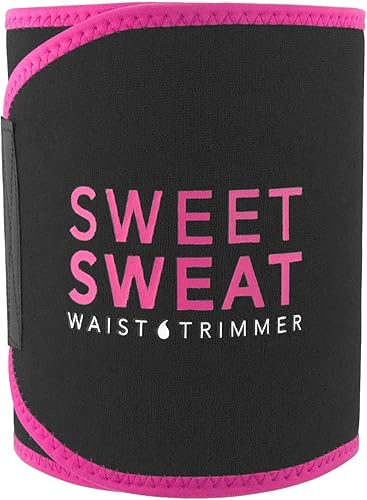
Sports Research Sweet Sweat Premium Waist Trimmer (Pink Logo) for Men & Women ~ Includes Free Sample of Sweet Sweat Gel!

How to lose belly with exercise to lose fat


  •     This Plank posture will have a positive effect on all core muscles. And also making the stomach strong and tight Beginning with lying face down to the ground Feet straight Use your hands and feet to push yourself up a lot from the floor. After that, slowly bend your elbows against the body, level with the feet, hold for at least 30 seconds.
  •     This mountain climbing position begins with a prone position. Both arms are stretched on the floor. Feet straight Push the toes up Then bend the right knee up and hold at the chest. Feel enough tired Then switch to bend the left knee up Continue for 30 seconds.
  •     Crunch posture is considered a popular method of reducing belly. By lying down on the floor Kneeling up When done, slowly lift yourself up, lest your stomach hold. All exhaled. And then lower
  •     Reverse crunch is a posture used to reduce lower belly fat. Which is the hardest part to eliminate By beginning with lying down on the floor Place both arms parallel to the body. Raise both knees up perpendicularly to the chase position. From there, lift your knees towards the chest. Until the bottom of the ground came up slightly By holding the abdomen for 2 seconds, then release the legs back to the starting position.

How to lose belly That way In addition to causing weight loss Also helps to tighten the overall shape By choosing the right amount of food Together with exercise with these exercise postures Just this will help make a flat stomach flat.


The correct way to lose fat.

How to lose belly effectively. Need to pay attention to eating first Which is to reduce fat properly and safely Does not mean eating only a small amount of food But also means paying attention to the amount of calories consumed each day Which, reducing the amount of calories to 500 kilocalories will help keep the weight down continuously Resulting in a flat stomach


Reducing body fat
Reducing body fat can not reduce the specific parts. But what can be done is To tighten specific fats Which at this point, exercise can help But the important thing is Body fat content Especially those who want to lose belly fat in order to have a flat stomach Need to pay attention to eating properly.


Sports Research Sweet Sweat Premium Waist Trimmer (Pink Logo) for Men & Women ~ Includes Free Sample of Sweet Sweat Gel!


button


How to lose belly by eating food.

Choosing to eat certain foods Will help reduce belly fat as follows

1. Eat foods that are high in protein.


If wanting to reduce fat in the abdomen Recommend eating foods that are high in protein Because protein is a good source of energy for the body While also helping to repair the wear and tear of the body Eating the right amount of protein Makes the stomach full for a long time, not hungry often, therefore allowing to eat less food. Importantly, eating sufficient protein Also helps to stimulate the system of energy metabolism in the body Resulting in the body using more fat Makes the flat stomach more easily. That's finally

2. Eat good fat, avoid bad fat

Although it is in the fat reduction period But fat is still necessary for the body Because it is important in the production of many hormones And also helps the body to absorb many types of vitamins If wanting to reduce fat Recommend choosing to eat good fats from fish Or different types of nuts will help the body get sufficient amounts of fat and energy. But good fat also helps to eliminate bad fat from the body The fat around the belly therefore decreases as well.

3. Eat high-fiber foods

One thing that is necessary to lose weight is to eat foods that are high in fiber, which will help fuller faster. Even if eating less Because fiber will fill the gaps in the stomach to fill quickly. Importantly, fiber also helps to eliminate toxins. Reduce the absorption of fat, sugar and starch into the body. Therefore, try to eat more fruits and vegetables at every meal. It will help make a flat stomach flat. And helps to tighten all proportions effectively.

4. Get enough rest

Enough sleep Will help to reduce belly fat easier Because if you get a little rest Will cause the body to release stress hormones Makes you feel more hungry Stimulate wanting to eat more desserts and fats Therefore the body gets more calories than fit.


Sports Research Sweet Sweat Premium Waist Trimmer (Pink Logo) for Men & Women ~ Includes Free Sample of Sweet Sweat Gel!


China's coronavirus: how it is transmitted and how to avoid getting it

China's coronavirus: how it is transmitted and how to avoid getting it

WHO has declared an international health emergency as the virus takes the lives of more than 250 people and more than 11,000 cases are reported.

The coronavirus, a virus never before seen and detected in the city of Wuhan, in central China, has claimed the lives of more than 250 people and infected more than 11,000 Chinese citizens, according to the National Health Commission of that country.

The virus, known as 2019-nCoV, was first reported to the World Health Organization (WHO) on December 31, 2019 and has been under investigation since then. Chinese scientists have linked the disease to a family of viruses known as "coronaviruses," from the same family of deadly SARS (severe acute respiratory syndrome) and MERS (Middle East respiratory syndrome) viruses.

On January 30, the World Health Organization declared an international alert to the outbreak of coronavirus.

That same day, on January 30, the Center for Disease Control and Prevention (CDC) confirmed the first case of transmission of the virus from person to person in the United States. And on January 31, the United States declared a public health emergency before the outbreak of coronavirus, which prohibits entry into the United States. to foreigners who have been in China in the last two weeks and who do not have family members or permanent residents.

On Friday, January 24, the French authorities confirmed three cases in France and Australia reported four cases within its borders. On Sunday, January 26, the United States Center for Disease Prevention and Control (CDC) announced a fifth case in the country. There are currently 110 cases under investigation in more than 20 cities in the United States, according to the CDC.

Scientists still do not fully understand how harmful the new virus, called 2019-nCoV, could be. Researchers have just begun to understand where it originated, how it is transmitted, how far it has spread and what symptoms the patients have.

As of January 31, the number of cases had skyrocketed to more than 11,000 in China and other countries. The Chinese authorities also confirmed that health personnel have been infected with the virus, suggesting that they have already achieved transmission from person to person. As a result, the authorities are taking measures to prevent its spread and the WHO has convened an Emergency Committee on January 22 to analyze whether the virus constitutes a public health emergency. Investigators believe that the number of cases may be greater than that suggested by current reports, and three airports in the United States have begun to examine passengers entering the country for symptoms of the disease, as well as other airports. with high passenger traffic in Hong Kong, Singapore, South Korea and Malaysia.

On Saturday, January 25, Hong Kong declared a state of emergency for the entire city, and canceled all the Chinese New Year celebrations and extended the school break until February 17. China also said it will limit the travel of some of its citizens abroad, to suspend group tours and the sale of flight and hotel packages.

For its part, the US Department of State announced that it has hired a flight to evacuate US citizens from the town of Wuhan on Tuesday, January 28. These people will come to San Francisco, where they will be examined immediately after landing.

Below, we present everything we know about this mysterious virus and the steps you can take to reduce the risk of being infected.

What is a coronavirus?
Coronaviruses belong to a family of viruses known as Coronaviridae and look like a kind of barbed rings when you see them with the lens of an electron microscope. They are called that because of those spikes or spikes, which form a halo or crown around their viral envelope.

Coronaviruses contain a chain of RNA (ribonucleic acid) inside their envelope and the only way they have to reproduce is to enter living cells and appropriate the machinery inside. The peaks of their viral envelope allow them to bind to cells, which gives them an access point. Once inside, they turn the cell into a virus factory, using its molecular conveyor belt to produce more viruses and send them abroad. The new viruses infect another cell, and the cycle begins again.

Typically, these types of viruses are found in animals ranging from livestock to domestic pets and wild animals such as bats. When humans jump, they can cause fever, respiratory diseases and inflammation in the lungs. In immunocompromised people, such as the elderly or people with HIV-AIDS, they can cause serious respiratory diseases.

The causative agents of severe acute respiratory syndrome (SARS) and Middle Eastern respiratory syndrome (MERS) were extremely pathogenic coronaviruses, and it was discovered that they could be transmitted easily among humans. SARS infected more than 8,000 people and produced almost 800 deaths. The MERS had almost 2,500 infected and caused more than 850 deaths.

Where did the virus come from?
The virus appears to have originated in the wholesale seafood market Huanan in Wuhan, a Chinese city with more than 11 million people located about 650 miles (1050 km) south of Beijing. The market sells fish, as well as a variety of other animal meats. However, it is still unknown whether or not it arose from an animal species such as the previous coronaviruses (SARS and MERS).

Markets have been related to the origin and spread of viral diseases in past epidemics and a large majority of the cases confirmed so far are people who had come to the Huanan market in recent weeks. The market seems to be a key piece of the puzzle, but researchers must still perform a whole series of experiments and tests to confirm the origin of the virus.

"Animal testing in the Wuhan area, including samples from the markets, will provide us with more information," said Raina MacIntyre, head of the biosecurity research program at the Kirby Institute at the University of New South Wales.

How is coronavirus transmitted?
This is one of the main questions that researchers are working to answer. It is not clear which animals can act as a reservoir for the virus and what role do live animal markets have in their spread. There have been no reports of health officials or employees who have contracted the disease, which seems to suggest that the transmission from person to person is limited, but this issue is still being investigated.

The market, which is believed to be the epicenter of the spread, was closed on January 1. The World Health Organization has suggested that at this stage the possibility of transmission from person to person cannot be excluded, which could cause some concern in the authorities that seek to slow the spread of the disease.


On January 20, the Center for Infectious Disease Research and Policy at the University of Minnesota reported that health personnel in China had been infected with the virus. This was a notable turning point in the previous SARS epidemic, as health personnel who traveled from one country to another helped spread the disease. The center also confirmed that person-to-person transmission is likely, which could hinder efforts to contain the virus in the coming weeks.

How many cases have been reported?
As of January 28, more than 4,500 cases have been reported. The majority are in China, but new cases have been confirmed in Thailand and on January 28, the first case detected in Germany was reported. In the United States, meanwhile, five cases have been confirmed.


The Chinese national authorities continue to monitor more than 1,300 residents who attended the Wuhan market or who have had prolonged contact with those who have symptoms of the new disease.

You can monitor the progress of the coronavirus with this interactive map, which is gathering data from various sources such as the CDC, WHO and health experts in China. (Note: There may be differences between our reports and the data provided by this tool).


Sanitary Masks


How many deaths have been reported?
There have been more than 250 deaths in China. The first was that of a 61-year-old man who frequented the Wuhan market and had chronic liver disease and abdominal tumors. The second was the case of a 69-year-old man who presented at the hospital with severe damage to several organs. There have been no deaths outside of China.

How do we know that it is a new coronavirus?

The short answer is: science.

The China Center for Disease Control and Prevention sent a team of scientists to Wuhan to gather information about the new disease and test patients in order to isolate the virus. His work, published in the New England Journal of Medicine on January 24, analyzed samples from three patients. With the use of an electron microscope, which is able to see in nanometers, and the study of the genetic code, the team was able to visualize and genetically identify the new virus for the first time.

Understanding the genetic code of the virus helps researchers in two ways: it allows them to create tests that can identify the virus from patient samples and gives them knowledge to create treatments and vaccines.

What is being done to combat the spread?
The world is reacting to control the spread of the new coronavirus, from quarantines to travel restrictions. Also, the coronavirus outbreak has affected events and industries. Below we detail it.

China has quarantined millions of people: The Chinese government quarantined the entire city of Wuhan, with a population of 11 million people, which was where the virus originated. China also restricted travel in nearby cities to Wuhan.

Closures in Hong Kong: The Hong Kong government decided to close cultural and recreational facilities in an effort to combat the spread of the virus. Facilities include sports centers, beaches, camps, libraries, museums and performing arts centers.

Travel restrictions and flight suspensions: The United States is considering installing flight restrictions to and from China, according to a CNBC report. For their part, airlines have extended their offer of free changes to flights to China.

The CDC warned that "non-essential" trips to China be avoided, and the State Department alerted passengers to reconsider their trips to China.

British Airways and Lufthansa have suspended all flights to China. The same has been done by United Airlines and American Airlines.

Quick construction of a hospital: The Chinese government has embarked on an ambitious project to build a hospital with 1,000 beds in Wuhan in less than two weeks. The hospital is expected to be ready by the beginning of February.

On the other hand, 3M will increase its production of masks worldwide to meet the growing demand, according to CNBC. Johnson & Johnson, on the other hand, said he has begun work to "develop a preventive coronavirus vaccine with the potential to protect people from the disease."

Closures of parks, restaurants and cinemas: Disneyland in Shanghai and Hong Kong closed its doors temporarily. The McDonald's restaurant chain temporarily closed some of its establishments in affected areas in China. The film industry in China has chosen to close cinemas and postpone the premiere of films. According to The Hollywood Reporter, 70,000 cinemas have closed their doors temporarily.

Qualification tournament for the Olympics: Wuhan was to host a women's soccer qualification tournament for the Olympics. But the tournament has moved to Australia.

Huawei postpones conference: The phone manufacturer has postponed its conference for HDC.Cloud developers for March.

Mobile World Congress will strengthen surveillance: The MWC technology fair that takes place between February 24 and 27 will strengthen medical care. The entity that organizes the fair has asked the exhibitors and attendees to follow the guidelines and protocols suggested by the World Health Organization.

Coronavirus would affect Apple production: According to a Bloomberg report, the spread of coronavirus could affect Chinese manufacturers Foxconn and Pegatron, two of Apple's most important partners. In addition, Apple temporarily closed three of its stores in China.

Google temporarily closes its offices in China, Hong Kong and Taiwan.

Nintendo Switch: According to a Reuters report on January 30, Nintendo's chief executive, Shuntaro Furukawa, said that the production of the Switch in China "was experiencing some impact of the coronavirus." Then, the company confirmed on the occasion of its report of financial results that it was not going to launch a new model of the Switch in 2020.

WHO declares international health emergency
 On January 30, the World Health Organization declared an international alert to the outbreak of coronavirus.

By declaring the outbreak as a public health emergency of international scope, WHO would "have greater power to control the disease through the International Health Regulations," MacIntyre said.

How infectious is the coronavirus?
Eric Feigl-Ding, an epidemiologist at Harvard University, suggests in a tweet that the coronavirus is at the level of a "thermonuclear pandemic," based on a metric known as R0. This metric helps determine the basic reproduction number of an infectious disease. The value is associated with how many people can be infected by a person who carries the virus.

Infectious diseases such as measles have an R0 from 12 to 18, which is quite bad. The SARS epidemic of 2002-2003 had an R0 of 3. Several studies of the 2019-nCoV outbreak have given it a similar value with a range of 1.4 to 3.8. However, there is a great variation between studies and models that attempt to predict the R0 value of a new coronavirus due to the changing number of confirmed cases.

We must emphasize that these studies are informative and not definitive, especially at the early stage of the outbreak and its spread. The studies give us an indication of the potential of the disease to go from person to person, but we still don't have enough information on how the virus spreads.

"Some experts are saying that this is the most infectious virus we have seen. That is not correct," MacIntyre said. "If it were highly infectious (more infectious than influenza as some have suggested), we should have seen hundreds if not thousands of cases outside of China right now, considering that Wuhan is a great travel center."

What are the symptoms of coronavirus?
This new coronavirus has similar symptoms to those of the coronaviruses that cause previously identified diseases. In the patients currently diagnosed there seems to be a whole spectrum of the disease: a large number of them experience mild symptoms similar to those of pneumonia, while others have a much more serious response.

On January 24, the prestigious medical journal The Lancet published an extensive analysis of the clinical features of the disease.

According to the report, patients have the following symptoms:

  • Fever, high body temperature
  • Dry cough
  • Fatigue or muscle pain
  • Respiratory distress

These are the less common symptoms caused by the new:

  • Cough with mucus or blood
  • Headache
  • Diarrhea

As the disease progresses, patients also suffer from pneumonia, which inflames the lungs and causes them to fill with fluid. This can be detected through X-rays and was present in 41 of the cases analyzed.

Is there a treatment for coronavirus?
Coronaviruses are remarkably resistant organisms. They are effective in hiding from the human immune system and no reliable vaccine treatment has been developed that can eradicate them. In most cases, health officials are responsible for treating symptoms.

"There is no recognizable treatment against coronaviruses," said Mike Ryan, executive director of the WHO Health Emergency Program, during a press conference. "The main objective during an outbreak of coronavirus-related disease is to provide adequate support for patient care, especially when it comes to respiratory and multi-organ support."

However, that does not mean that it is impossible to have a vaccine. Chinese scientists managed to sequence the genetic code of the virus with incredible speed, which gives them the opportunity to study it and find ways to combat this new disease. According to CNN, researchers at the National Institute of Health (NIH) are already working on a vaccine, although it could be a year or more before it becomes available.

SARS, which infected about 8,000 people and claimed the lives of 800, seems to have taken its course and then disappeared. However, it was not a vaccine that changed the course of things but the effective communication between countries and a wide range of tools that helped monitor the disease and its spread.

"We have learned that epidemics can be controlled without medications or vaccines, with the use of better surveillance, case isolation, contact monitoring and infection control measures," MacIntyre said.

How to reduce your risk and prevent the spread of coronavirus
With confirmed cases in the United States, Thailand, Japan, South Korea and Australia, it is quite possible that the virus will spread further. WHO has recommended several measures to protect against contracting the disease, which have to do with good hand hygiene and good respiratory hygiene, that is, almost the same advice you would follow to reduce your risk of getting the flu.

Below you can see a Twitter thread about the coronavirus, published by the WHO.

Tom Moorcroft, a doctor who specializes in infectious diseases, says that the precautions to be taken are basic. Coronavirus spreads through respiratory vapor, for example, when someone sneezes or coughs around you. Influenza and common cold viruses also spread this way.

"The things you should do to protect yourself from the coronavirus are things you should do every day," says Moorcroft. "The main thing you should do to prevent any respiratory illness is to practice good personal hygiene."

Moorcroft reiterates the recommendations of the CDC to avoid coronavirus (and other respiratory diseases):

Wash your hands with soap or use an anti-germ lotion that contains alcohol.
If you sneeze or cough, use tissues or napkins, or cover your mouth and nose with your arm. If your skin is smeared with mucus or saliva, clean it immediately. Avoid touching your face with unwashed hands.
Avoid close contact with people who are sick, especially those who exhibit respiratory symptoms and fever.
If you are sick, stay home.
Clean all surfaces, such as tables, counters and door knobs, regularly and thoroughly with disinfectant.
Dr. Moorcroft believes that extra protections, such as the use of masks, are not necessary at this time for people in the United States.

In addition to the basic prevention measures, Moorcroft says that the best defense against the disease is a strong immune system. Your body is better able to fight the disease when your immune system is in optimal condition, explains Moorcroft. For your immune system to be strong, Moorcroft recommends that you have a good quality of sleep, are hydrated, minimize the consumption of too much processed foods and include enough micronutrients in your diet.

How can I protect myself from coronavirus while traveling
The CDC has recommended that everyone avoid non-essential trips to China, and Chinese officials have shut down all trips to and from Wuhan and other cities in Hubei province.

If you must travel to China, the CDC recommends that you talk to your doctor first, avoid being near people who are sick and avoid being near animals and animals in the markets

What will it take to prevent Wuhan's coronavirus from spreading throughout the world?

What will it take to prevent Wuhan's coronavirus from spreading throughout the world?

The Wuhan coronavirus outbreak in central China has infected thousands and spread abroad, increasing the spectrum of a potential global epidemic as authorities desperately try to contain it.

Since the first case was identified at the beginning of December in Wuhan, capital of Hubei Province, more than 7,700 people became ill and at least 170 people died in mainland China. In addition, there are dozens of confirmed cases in 17 locations outside of mainland China, including at least five in the United States .

The total number of cases worldwide now exceeds 7,800.

The world has never had a more advanced medical science, but neither has it been so interconnected. So what can be done to prevent it from becoming a global epidemic?

There are still many things we do not know about the virus, officially known as 2019-nCov, but Chinese authorities believe it is spreading from human to human and that people can become infected before symptoms appear.

The World Health Organization (WHO) did not call it a global health emergency, but it is not disputed that it is spreading. During the weekend, Chinese President Xi Jinping warned that the outbreak is accelerating.

“Life is of the utmost importance. When an epidemic erupts, a command is issued. It is our responsibility to prevent and control it, ”he said, according to Chinese state media.

First thing's first. How serious is it?

Although it is scary to think about the spread of a deadly virus, it is important to remember that the vast majority of cases so far have not been fatal.

The mortality rate is changing as the number of people affected changes. Until Tuesday, Wuhan's coronavirus mortality rate was approximately 2.3%. In comparison, WHO estimated that the outbreak of severe acute respiratory syndrome (SARS) in 2003 had a general mortality rate of 9.6%. The Middle East respiratory syndrome (MERS), another type of coronavirus, has a 35% mortality rate.

However, a large proportion of coronavirus cases are considered "serious" and, so far, very few people have left the hospital after recovering, according to official figures.

So how do doctors treat it?

There are no specific treatments for coronaviruses, ranging from the common cold to SARS. But like the common cold, doctors can treat symptoms, said Dr. Maria Van Kerkhove, director of the WHO's emerging diseases and zoonoses unit.

David Heymann, deputy director general of Health and Environment Safety at WHO, said doctors will ensure that patients can breathe properly and give them life support if necessary. Apart from that, the benefit of keeping people in the hospital would be to isolate them from the general population, so that they cannot infect others.

What else can doctors do?

The way to stop an outbreak is to find out who a patient has had contact with and try to prevent the virus from spreading, Heymann said.

Doctors put all the people with whom the patient has recently had contact under "fever surveillance," he said. If those contacts develop a fever, then they are immediately tested for the virus, and then it is necessary to track their own contacts. Hospitals should follow good practices, so that doctors themselves are not helping the disease.

“By tracking contacts, identifying new cases, isolating new cases, it can eventually interrupt the transmission,” he said, adding that this was how the 2003 SARS outbreak was controlled. “Those are the things you can do: clean hospital practices , ensure that they are well done so that it does not transmit in hospitals and, at the same time, ensure that they are tracking contacts and identifying all cases. ”

What about travel bans?

The Hong Kong authorities, which borders mainland China, have established travel bans and tell Hubei residents and those who visited the province in the last 14 days that they cannot enter the city. They have also said that all public, cultural and leisure facilities will be closed "until further notice" in a movement to control the spread of the Wuhan coronavirus. On Tuesday, Hong Kong announced that it would close many of its borders with mainland China.

In mainland China, isolation has been taken to another level.

The Chinese authorities have closed transport in and out of Wuhan and in at least 10 other cities, quarantining millions of people. Wuhan Mayor Zhou Xianwang told state-owned CCTV on Monday that, although history does not kindly remember the measure, "we believe that as long as it is good for the control of the epidemic and the safety of people, we are willing to assume any responsibility to block for the city ”.

Peter Daszak, president of the EcoHealth Alliance, a nonprofit organization that investigates emerging infectious diseases, called the movement "bold" and said it was not without political risks, but that it could be enough to help stop the spread of the coronavirus.

It is a movement that has never been done before in such magnitude, and has provoked criticism from some experts.

There were smaller quarantines during the 2014 Ebola outbreak in West Africa , but that provoked violent protests and distrust of public health authorities, said Lawrence Gostin, a professor of global health law at Georgetown University and director of the Law Center WHO Global Health, adding that the measure could even hinder the response to the outbreak.

Others have warned that it may be imprudent for logistical issues. Wuhan health authorities previously said that local hospitals are overwhelmed, and the city plans to build two more hospitals in a few days.

"The health risks of people in the city depend on how they are closing it," Heymann said, referring to food and medical supplies. Even so, the measure is expected to decrease the number of cases that reach other countries, he added.

What about the vaccines?

Last century, smallpox killed about 300 million people, according to the World Economic Forum. Thanks to vaccines, it became the first fatal disease to be completely eliminated.

Therefore, it is not surprising that scientists want to develop a vaccine against Wuhan's coronavirus. According to Daszak, there are already vaccine candidates, and scientists around the world are working to develop one.

But even if scientists successfully develop a vaccine, they may not be ready in time to treat this outbreak.

According to Dr. Anthony Fauci, director of the National Institutes of Allergy and Infectious Diseases of the USA. In the US, it will take a few months until the first phase of clinical trials begins, and then more than a year until a vaccine is available.

Heymann, from WHO, said it is very unlikely that any vaccine studied during this outbreak will be available soon.

"They will be available if this outbreak continues for a long period of time, but nobody knows what will happen with this outbreak," Heymann said.

Even then, a vaccine cannot be used to treat people with the virus, it can only be given to people who have not yet been exposed to it.


Sanitary Masks


Should WHO declare a global health emergency?

So far, WHO has decided not to declare a public health emergency of international interest (PHEIC), although Dr. Takeshi Kasai, WHO's regional director for the Western Pacific, warned that "it can still become one."

A PHEIC is defined as something that constitutes a public health risk to other states due to the speed of its spread abroad, which requires a coordinated international response. If a PHEIC is declared, all WHO member states must comply with the recommendations of the WHO Emergency Committee.

Last week, WHO said that while the outbreak was severe in China, it had not yet reached a global level. But WHO may also be concerned about creating unnecessary panic.

During the SARS outbreak that infected more than 8,000 people and killed 774 worldwide between November 2002 and July 2003, WHO warned visitors not to travel to Hong Kong. In May 2003, WHO withdrew that notice, but Hong Kong remained on a list of affected areas until June 23, 2003.

Some felt that this measure was an exaggerated reaction, according to an article published in the Journal of the Royal Society of Medicine in August 2003.

“In some circles, WHO is perceived to have overreacted to the epidemic, causing unnecessary panic on the international scene and placing unjustified barriers in the way of people from 'infected' areas who wish to attend events such as business exhibitions or international sports activities, ”said the newspaper.

So what can the public do? Are masks or masks useful?


The masks are used both in Hong Kong and mainland China that stocks are running low.

The use of masks is now mandatory for those who go out in public in Wuhan. The Chinese central government has asked medical mask manufacturers to resume production during the Lunar New Year period. According to the Ministry of Industry and Information Technology, 30 factories have resumed production and are making 8 million masks every day.

But it's still unclear how the virus spreads or if the masks would stop it, Heymann said.

"There is no evidence that it is circulating in a way that a mask can prevent it," he said. And even if the disease can spread through the air, the masks may not be completely effective. "The masks are very difficult to use," he added, and explained that if there is an air gap in the mask, it will not work.

What else can be done?

Experts say there is one simple thing you can do: wash your hands.

Van Kerkhove of the WHO said he recommends washing his hands with soap and water and sneezing into his elbow, if he has to sneeze.

Informing people about what to look for is also vital, according to Heymann. If an asymptomatic person shows up at an airport, they may not be picked up by the authorities that only perform fever screening tests.


“A border does not stop infections, people can cross borders while they are in the incubation period. Therefore, detection will find some, but you certainly won't get others, ”Heymann said.

"So, the important thing in the screening test is to tell people, not only 'we are taking the temperature', but also give them some kind of notification of where to go in case they have a fever."

How to avoid the spread of coronavirus ?: the four measures recommended by doctors

How to avoid the spread of coronavirus ?: the four measures recommended by doctors

1. Avoid contact: The Ministry of Health recommends avoiding "close contact" not only with people who may have been in the affected area, but with all those who show "signs of respiratory condition such as coughing or sneezing." At first it was thought that the virus was transmitted in only one direction, from animals to people, but the investigations carried out last week confirmed that it can also be transmitted from person to person, through the air droplets.

2. Frequent handwashing: As with other viruses such as influenza, frequent handwashing is the most effective measure both to prevent infection and to prevent the spread of the virus. This is reflected in the document prepared by Health: "Generic measures of individual protection against respiratory diseases [such as pneumonia caused by the Wuhan virus] include hand hygiene (washing with soap and water or alcoholic solutions)".

3. Cover your mouth and nose: The Ministry of Health also advises covering your mouth and nose with tissues or with a cloth when you cough or sneeze. It is more than usual to see how the people we have around us and with whom we agree in public transport cough or sneeze on the hand.

4. Avoid the consumption of food in affected areas: Finally, although this measure does not affect our country, the Spanish Society of Preventive Medicine recommends that, in the affected areas, the consumption of meat and other foods that are not avoided They are properly cooked. This will avoid the possibility that the coronavirus can be transmitted through food.


Sanitary Masks