Monday, February 3, 2020

Dr Tobias Omega 3 Fish Oil Triple Strength, 2,000mg, Burpless, Non-GMO, NSF-Certified (180 Softgels)

Food that is good for the heart and prevents heart attack


Our heart is one of the most important organs. But there are still many people who often neglect to take care of their heart health. With accumulated stress And eating food that is useless Is an unnecessary fat carrier that clogs the veins. Can cause a heart attack followed

Today we bring good information. Like choosing to eat all 10 healthy foods that are good for the heart And reduce the risk of heart attack And acute headaches

1. Fish that are high in essential fatty acids - such as Omega 3 fatty acids, such as tuna, mackerel, salmon, sardines, etc. should be eaten at least 2-3 meals per week.

2. Oats - soluble fiber, which is called beta-glucan, is found in oats. Which has good soluble fiber That means helping to reduce the blockage of blood vessels. Makes the blood flow better

3. Berry family - including raspberries, raspberries Blackberries, cranberries, and blueberries, which are rich in potassium and magnesium, which can help regulate blood pressure to normal levels. Helps to lower cholesterol levels in the blood.

4. Dark chocolate - Dark chocolate that is more than 70 percent concentrated can help reduce the risk of many heart disorders. Which includes acute heart attack and stroke

5. Nuts - hard grains such as peanuts, almonds, walnuts and cashews. Very high protein Also helps the endothelial cells to work well Helps prevent atherosclerosis And helps reduce cholesterol as well

6. Olive oil - Olive oil contains up to 80% oleic acid. This monounsaturated fat consumption Will help reduce cholesterol levels And also helps to reduce the risk of various diseases That follows from having high cholesterol levels as well.

7. Red wine - In red wine there is a substance that can protect the arterial wall called flavonoids and antioxidants. But should be eaten in an appropriate amount, 1-2 glasses of male and 1 cup of female only to be useful

8. Green tea - Drinking 1 cup of green tea per day will help reduce cholesterol in the blood. Stimulates the absorption system. And also helps to lose weight the other way

9. Pomegranate juice - a health drink that helps strengthen antioxidants in the body. And reduce the risk of heart disease Especially arteriosclerosis (atherosclerosis)

10. Watermelon - eating watermelon per day Will help prevent heart disease Because it will help prevent the accumulation of harmful fats Which causes clogged arteries And heart disease
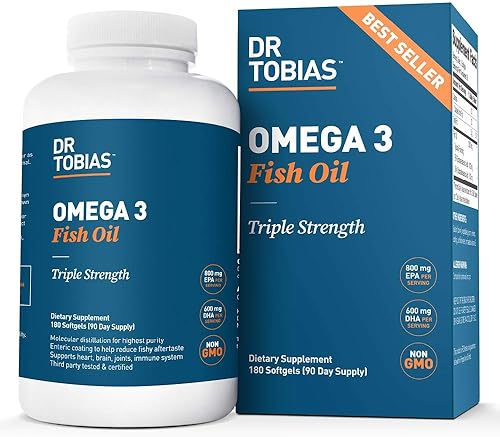

Dr Tobias Omega 3 Fish Oil Triple Strength, 2,000mg, Burpless, Non-GMO, NSF-Certified (180 Softgels)

button


Fish food prevents heart disease.

Around the world there are more than twenty thousand fish species. And fish are the most abundant of all vertebrates. Fish are everywhere. Whether in the oceans, seas, rivers, canals, streams, swamps or marshes, you can say that With water wherever fish is there

Fish have many different morphology. The reason that there are so many fish because of the ability to spawn fish is that one fish has the ability to spawn each time from hundreds of thousands to billions. But due to the danger from other animals around Eggs are destroyed in bulk, resulting in a small number of survivors.

Although there are many tens of thousands of fish. But if divided into groups Can be divided into 2 large groups: freshwater fish and saltwater fish

Compared to beef, pork and chicken, fish have a higher protein content. And humans can absorb up to 96%. Fish meat has a chemical composition very close to human flesh. Fish meat contains a lot of essential amino acids for the body. Also has calcium And phosphorus more than other kinds of meat Especially in marine fish, there will be iodine. The fish also contains vitamins A, B1, B12 and D.

In meat foods Fish is the most easily digested protein. After cooking, the water will lose 10-30% compared to other meats, much less (about 50%). Therefore, fish meat is suitable for food for patients, the elderly or children.

In general, other meats contain animal fats. And very high in cholesterol If eating a lot of meat, it can easily cause cardiovascular diseases such as atherosclerosis. Coronary artery disease, etc.

The Inuit Live in the cold, covered ice all year round. From ancestors to the present day Inuit people eat fish as their main food.

Scientific results show that the Inuit people are people with coronary artery disease. And the least diabetes Scientists believe that this is so. Because the result of eating fish meat There are also reports from China. And Japan in the same way, this is Fishermen who regularly eat fish for many generations will have a low rate of coronary heart disease.

Why is fish different from other meats? Research studies have shown that It is because the fat in other animals is mostly saturated fat and fatty acid which causes the blood vessels to harden. Therefore, eating meat regularly can cause coronary heart disease easily. But in fish meat, there are more than 80% of unssaturated fat. These unsaturated fatty acids can reduce cholesterol, so it does not cause coronary heart disease.

Since ancient times, fish have been used as food and medicine. Cod liver oil is extracted from the liver of the fish. In cod liver oil, there are a lot of vitamins A and D.

In addition, cod liver oil also contains vitamins B1, B2 and B12 as well. Some fish can be used as insulin raw materials. Which is an important drug in the treatment of diabetes


Dr Tobias Omega 3 Fish Oil Triple Strength, 2,000mg, Burpless, Non-GMO, NSF-Certified (180 Softgels)

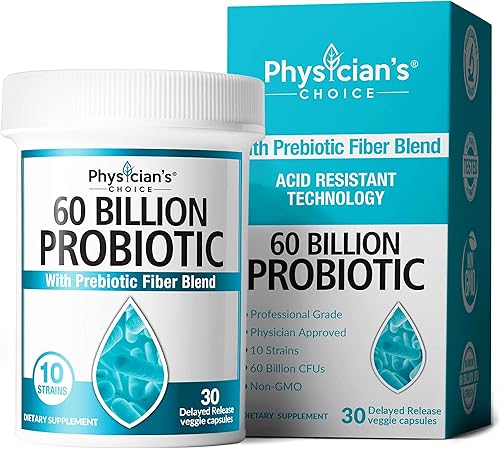
Probiotics 60 Billion CFU - Dr. Approved Probiotics for Women, Probiotics for Men and Adults, Natural; Shelf Stable Probiotic Supplement with Organic Prebiotic, Acidophilus Probiotic; 30 Capsules

How to promote a good digestive system?


Good digestive system Is that the various organs within the digestive system work together effectively And absorb nutrients for the body to fully utilize Eating unhealthy food, infections, stress or side effects from certain drugs May cause the digestive system to malfunction and affect the activities of daily life. Which sometimes can be fatal Turning to the digestive system with the following few behavioral modifications May help reduce the risk of diseases and disorders in the digestive system.

  •     Keep hands clean Wash hands with soap after every excretion. Before eating And before preparing food To prevent bacteria in the hands that contaminate food
  •     Eat on time Should eat breakfast, lunch, dinner at the right time By trying to eat each meal at the same time every day
  •     Eat the right amount of food. Should eat properly with the body's energy metabolism. By calculating the amount of nutrients and calories of each food before eating
  •     Eating high fiber foods Foods that are high in fiber cause digestive systems to work more efficiently. It also helps prevent and treat many gastrointestinal diseases, such as ulcerative colitis. Hemorrhoids And irritable bowel syndrome The dietary fiber is divided into 2 types, which are
  •         Insoluble fiber Are fibers that the body cannot digest. Mostly found in grains, potatoes, carrots, cauliflower and legumes. Acts as an intermediary carrying water and waste moving in the digestive tract Also helps to soften the pores Easier to excrete And can prevent constipation
  •         Soluble fiber Is a soluble fiber Mostly found in apples. Fruits that are sour, oatmeal and candlelight Qualified to help relieve diarrhea. Because this type of fiber acts like a sponge Absorb the intestinal fluid Resulting in a stool that is not too liquid Including making you feel full longer and better for those who want to lose weight


  •     Drink enough water Should drink about 8 glasses of water or 2 liters per day. Water will help waste waste through the digestive system and soften the stool. In addition, dietary fiber must absorb water. To have properties to prevent constipation
  •     Exercise regularly Should exercise at least 30 minutes a day to help stimulate the compression of various organs in the digestive system. Causing food to be digested faster The large intestine absorbs less water in the food waste. Resulting in the stool not being dry and hard
  •     Reducing stress. Stress may affect the work of the digestive system. There are many ways to deal with stress, such as exercising, meditating, doing your favorite hobby, etc.
  •     Avoid eating foods that are high in fat. Although fat will provide energy to the body. But consuming too much fat May adversely affect the digestive system As it may slow down the digestive process and increase the risk of constipation. Best way is to choose foods that are low in fat, such as lean meat, fish, lack of milk, etc.
  •     Avoid eating spicy food If eating, diarrhea, abdominal pain, heartburn For those with GERD or Irritable Bowel Syndrome Should avoid all spicy foods
  •     Avoid smoking Substances in cigarettes may cause various gastrointestinal diseases such as gastritis. GERD It also increases the risk of Crohn's Disease, gallbladder disease, cancer, and worsening liver disease or pancreatitis.
  •     Avoid caffeinated beverages. Because caffeine causes increased acid content in the abdomen. Which may cause stomach pain or acid reflux
  •     Avoid alcoholic beverages. It causes the esophageal sphincter to relax and may cause acid reflux. Alcohol may also hinder the absorption of nutrients. Resulting in gastritis Some enzymes are working with diarrhea or stomach pain.


The role of Probiotics and Prebiotics on the digestive system.

Probiotics and Prebiotics are mentioned in the nutrition industry. Because it may be beneficial to the body Especially the work of the digestive system If there is an appropriate amount. However, even though these 2 words are pronounced quite similar But has a completely different meaning

  •     Prebiotics are dietary fibers that the body cannot digest. And is a food source of beneficial microbes in the body Often found in grains Legumes, bananas, berries, asparagus, garlic, onions, etc.
  •     Probiotics are living organisms that are found in the body. Including certain foods and dietary supplements such as yogurt, pickles, kombucha etc.

Probiotics are normally found in the body. Therefore it is not necessary to take supplementary supplements. Probiotics in the right quantities may protect the body from harmful microbes and aid digestion. Like other useful microbes

However, some factors may result in a decrease in the number of beneficial microbes in the body causing the digestive system to malfunction, such as the use of antibiotics that kill both good and bad microbes. Which may result in diarrhea or flatulence. Therefore, eating Probiotics supplements either from food or dietary supplements. May therefore help to replace good microbes and prevent diarrhea

The side effects of eating Probiotics are few and mild. Mostly affects the digestive system, such as flatulence or flatulence. Some people may experience severe side effects. Especially those with certain illnesses such as an infection Abnormal metabolic processes Immune system malfunctions, etc.


Probiotics 60 Billion CFU - Dr. Approved Probiotics for Women, Probiotics for Men and Adults, Natural; Shelf Stable Probiotic Supplement with Organic Prebiotic, Acidophilus Probiotic; 30 Capsules

button


Eating foods that empower the digestive system

1. Eat food on time Because this system transfers food like a conveyor belt from the mouth through to the esophagus Down to the stomach Which has gastric juice Untimely eating results in gastric juices that come out without food to be digested. Must digest the stomach Can cause stomach ulcers that follow

2. Chew food thoroughly. Digestion starts in the mouth. Chewing food thoroughly helps the stomach not have to work very hard. Because if the stomach has to be digested a lot Gastric acid secretion And the compression of the stomach will increase too

3. Eat foods that contain fiber. Dietary fiber helps stimulate the work of the stomach and intestines to work better. Dietary fiber is divided into two types. Which has different benefits for the digestive system. Insoluble dietary fiber acts like a broom that helps cleanse the organs throughout the digestive system. Foods that are insoluble in fiber, such as broccoli, cabbage, celery, green leafy vegetables Soluble dietary fiber can help the body absorb fat more slowly. While also reducing fat absorption The body therefore receives fewer calories from fat. In addition, it also serves
To catch the toxins and cause excretion Also helps to stimulate the bowel movement Foods that are soluble in fiber such as apples, apricots, bananas, carrots, kiwi, sweet potatoes.

4. Add good microbes Even in the body there are good microbes Which helps digestion But for some people it may experience a lack of good microbes Cause abnormal digestive system Which can be observed that Often have constipation Excrete rarely
The solution is to eat foods that contain microbes that are regularly useful, such as yogurt, to increase the amount of good microbes in the intestines. Helps to improve the digestive system. Resulting in better absorption of nutrients The body receives full nutrition.

5. Drink enough water Water is a lubricant. And is an intermediary for various reactions All over the body in Digestive system Water also helps digestion. Helps digestion work easily Will see that if drinking less water Often have constipation Digestive system works hard Because the body loses water all the time Therefore need to be compensated consistently enough after the food has been digested It is a function of the metabolic system to be inherited.


What are the functions of the organs in the digestive system?

  •     The mouth is the beginning of the digestive system. The teeth grind the food into smaller pieces and easier to digest. The saliva acts to mix the food with easy swallowing. In addition, the saliva contains alpha-amylase enzymes that help digest carbohydrates. When the food and saliva are mixed together well The tongue and palate therefore help move food to the pharynx and esophagus.
  •     The swallowed food will travel through the pharynx and pass on to the esophagus. During this process The trachea will close to prevent food from entering the lungs.
  •     The esophagus is a muscle that is characterized by a long hollow tube connecting the throat and stomach. Helps deliver food to the stomach by contracting and releasing rhythmic muscles. Also known as peristalcis squeezing (Peristalsis). The lower part of the esophagus, which connects to the stomach, has a sphincter. Serves to prevent food and acid in the stomach flowing back up to the esophagus
  •     Stomach, bag-like organ with strong muscle walls Acts as a resting point for food and mixes the food. There are also enzymes to help digest food in a semi-liquid form before being transferred to the small intestine
  •     The small intestine is an organ that looks like a hollow tube, curled back and forth in the abdomen. It is about 20 feet long and is the area that has the most digestion and absorption of nutrients. It is divided into 3 parts: duodenum or duodenum, central filling or Jejunum. And the small intestine or Ileum, which has enzymes from the pancreas to help digest nutrients such as protein, fat and carbohydrates. Including bile from the liver that helps digest fats and eliminate waste products in the blood
    The large intestine is an organ resembling a hollow tube, about 5-6 feet long, consisting of 3 main parts:
  •     Cecum or duodenum Has a dead end bag On the right side of the abdomen
  •     Colon is divided into 3 parts: ascending colon or protrusion of the upper right of the abdomen to the liver. The Transverse Colon runs from the right side to the left side of the body. And the descending colon (Descending Colon) which falls straight down the left ventricle. The ends connected to the rectum are curled up like an S. Called Sigmoid Colon.
  •     The rectum is the last large intestine that connects to the anus.

The food waste left from the digestive process in the small intestine is sent to the large intestine. Which is responsible for absorbing water, vitamins, minerals and nutrients that are left back into the bloodstream The food waste is placed in the sigmoid section until the intestines are squeezed to deliver the food to the intestine. The rectum then sends a signal to the brain to decide whether it can remove food waste or not. If the brain orders the food waste to be driven The anal sphincter will relax to expel food waste into the feces.

    The anus is the last organ of the digestive system. Consists of the following main parts
  •         Pelvic floor muscles Is responsible for controlling the incontinence of feces
  •         Inner sphincter Controlling to prevent excretion while sleeping.
  •         Outer sphincter Is the muscle under the power of the mind Can control the movement Which can relax the muscles when wanting to defecate And contracting muscles to hold back feces.


Probiotics 60 Billion CFU - Dr. Approved Probiotics for Women, Probiotics for Men and Adults, Natural; Shelf Stable Probiotic Supplement with Organic Prebiotic, Acidophilus Probiotic; 30 Capsules

Sunday, February 2, 2020

The correct way to wear a mask.

The correct way to wear a mask.

Wearing a correct mask can help users to prevent germs and pollution effectively. Which should be done as follows

How to wear a general mask.

  •     Wash your hands and clean to prevent infection from attaching to your hands.
  •     Choose the right size for the mask. If a child should choose a specific size so that the mask is not too big
  •     Wear a mask to fit the face. By turning the colored side out And have the side with the wire on top If it is a colorless face mask Notice the crease of the mask. If the corner of the crease is pointed below, that is the outside of the mask.
  •     While wearing a face mask If it is a mask that must be tied to the end of the rope To tie the lower string around the neck The top line is tied around the head. If it is a type of elastic cord To fasten both ears Then squeeze the wire to fit the nose Will make the mask fit the face
  •     Pull the mask off and close the mouth, nose and chin.

How to wear a N95 respirator


  •     Hold a mask in the palm of your hand And cover the mouth and nose
  •     Pull the strap of the mask under the head, then pull down under the ear. Then, pull the strap on the head strap to the area behind the head. Then squeeze the wire to fit the nose
  •     Check order that the mask is attached to the face or not.
  •     Test the fit of the mask by using both hands to pat the area of ​​the mask and try to breathe. If the mask fits the face when inhaling, the mask will collapse. Exhale. The mask will swell out.

In addition, users should change the mask when knowing that the mask used is wet. Or by secretions such as mucus and should not be reused. Avoid washing, cleaning or sanitizing. Also, should not share a mask with others. After changing the mask, the mask should be put in a sealed bag before discarding. Or dumped in an infected trash And wash hands to prevent residues


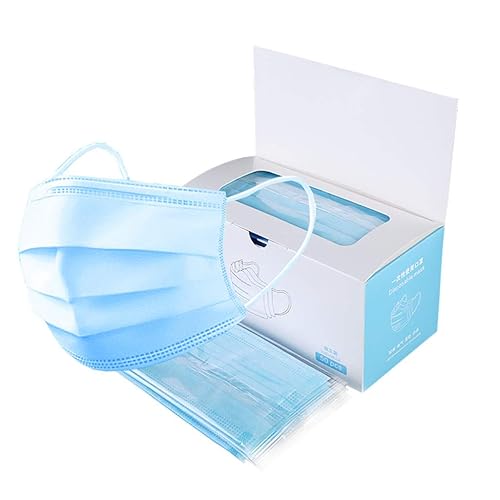
Sanitary Masks


Who should wear a surgical mask?

The mask is suitable for people of all ages and genders. A group of people who should use a mask to prevent the spread of the infection from themselves to others. Or prevent oneself from becoming infected by other patients, including

  •     People who must be near or have close contact with patients with respiratory disease
  •     People with respiratory illnesses who must be close to normal people. Or have to go outside
  •     People who have to go to the risky area Or places with patients with respiratory illnesses, such as hospitals or crowded places, etc.


Limitations of sanitary masks

Although the mask is useful for health protection. But there are still some limitations as follows

  •     100% unprotected. Most masks have an effective protection of only about 80% depending on the quality of the material. If it is a N95 respirator, it is 95% protective, so users may still be at risk of becoming infected.
  •     Not able to prevent all types of germs Although there is a certain degree of protection against pathogens, no specific tests have been made to protect against specific pathogens. Therefore, masks cannot be used to prevent specific diseases.
  •     One time use Almost all face masks are disposable. And cannot be reused. Or washable Since once the germs are on the mask Repeated use may increase the risk of infection.
  •     There is no clear research that can help prevent Although the medical community recommends using masks to prevent pollution or respiratory infections. But there is no clear study of how effective masks can be for preventing germs, respiratory or pollution. Therefore requiring additional studies for more clear results.


Mask type

Masks that are on sale generally divided into 2 major categories according to the characteristics of the mask. And the efficiency of air filtering as follows

  •     General face mask This mask is quite tight on the face. By attaching to the face In which the medical profession is the majority And is often used to prevent the spread of germs through coughing or sneezing, but the disadvantage of this mask is The bottom area of ​​the mask will not prevent exposure to contaminants from inhalation.
  •     N95 face mask is a type of mask that can help prevent very small germs. The protective efficiency is higher than normal mask. As the mask looks like it covers the entire face of the mouth and nose, the virus or contaminants cannot pass through it. This type of mask is often used in the medical community that needs high safety from infection, including the prevention of TB. Or anthrax That is harmful to humans Also often used during work, such as working with chemicals or using colors that may cause an unpleasant odor. However, when using a N95 mask, it must be chosen appropriately. Because different sizes and brands may affect the efficiency of air filters.

Correct N95 respirator, dust-proof, corona, 100% results

Correct N95 respirator, dust-proof, corona, 100% results

How to wear a N95 respirator correctly, prevent corona dust, 100% results after finding misleading image sharing. The health fan page recommends 4 easy steps that everyone should know and tell.

For the type of Cloth face mask with dust-proof feature Distribution of mucus Saliva from coughing and sneezing Protect you from bacteria, mold, but if the virus has small particles. (Micron level) may not be able to prevent Should be disposable and should not be used repeatedly

Hygiene items N95 In addition to protecting health from small dust, it also includes the "corona virus" or germs that are as small as 0.3 microns. This mask can last for about 3 weeks, but if the condition is abnormal now, doctors recommend. To change every day

The correct way to wear a mask to prevent germs, corona virus, Wuhan virus, can be used either N95, dustproof, PM2.5.

1. Wash hands
2. Turn the dark side out
3. The edge of the wire is at the bridge of the nose.
4. Unfolded to close the nose down to the chin.
5. Press the coil tightly


Sanitary Masks


Mask How to wear correctly

Mask How to wear correctly

Situation of the epidemic of a new strain of corona virus originating in China. Considered to be a problem that needs to be cautious It is found that the number of cases of viral infections is increasing every day, which in Thailand is the 2nd largest number of infected patients in the world. Therefore, wearing a mask is important to prevent the spread of the virus. And is one of the basic ways to protect yourself

But is seen in the present Instead, there are still people wearing masks wearing the wrong masks. If you notice that the mask will have one side that is dark and the other side is white. And there are people who wear the dark side out, some people and the white side out But did you know that How are both sides different?

First, because we have to get to know this mask first In which the masks that we wear are everywhere In fact, the interior is divided into three layers.

The first layer has a white layer on the inside, soft skin used to touch our skin, the second layer, the middle layer is used to filter germs. And finally The outer layer is dark. Which this floor must be on the outside To prevent water and dirt from entering the body

When sanitation has two different sides Many still have doubts about what kind of mask to wear in real life.

The Ministry of Health It is suggested that the mask is worn correctly as a medical mask. Will put one dark color on the outside Because it is waterproof and the spread of the virus will come from various secretions Including drooling, drooling, sneezing or coughing


Sanitary Masks

The correct method of using a mask is as follows

  •     Wash your hands
  •     Grasp the mask strap on both sides of the mask. (If it is a pulp mask Notice the green side. Or the side with the wire Turn that side outward When wanting to prevent infection from others entering the body Or turn to yourself if you are a patient and do not want yourself to spread the infection to others)
  •     Before inserting, the wire must be above the nose area. Then bring the strap to the ear
  •     Press down the edge of the wire to attach to the bridge of the nose continuously down to the bottom of the eye. No gaps between the mask and the face
  •     Wear a mask to cover both the nose and mouth. By pulling down under the chin
  •     During conversations with others, do not need to take off the mask. Eating or water Grasp the top area of ​​the mask. Pulled down under the chin Before pulling back up again
  •     Have to change the mask When blot Or wet every day, may use 2-3 masks.
  •     Removing the mask after use Must hold the area of ​​the ear strap and then release
  •     Disposable pulp masks must be discarded. And if it is fabric Can be washed and reused
  •     Disposing of used face masks Plastic bags should be placed before discarding bins with lids. Because it is an infectious waste that must be disposed of thoroughly Then wash your hands thoroughly

The right way to wear a "mask"

The right way to wear a "mask"

Right now, the office has only people with colds. Both normal flu And flu Some people are serious. The boss then allowed him to rest at home. But some people get a little better Plus a tight job Therefore had to carry the body And a mask to use at work But looking around, eh, some white mask Of some green people Some of them look strange than others, even though they are used from the same box. Makes us confident that There are definitely no people using the mask on the right side. In truth, which side to use? How to use? Let's see.
 How to wear a mask

  •     Turn the dark green mask out. Put the white towards your face
  •     There will be one side with a small metal line inside. Place that on the bridge of the nose.
  •     Attach the rope to the ear Adjust the position to fit
  •     Pull the lower part of the mask down to cover the chin
  •     Press the metal part on the bridge of the nose. To bend the bridge of the nose to fit For the mask to be as close to the face as possible
  •     Should change the mask every day And should not be shared with others

 Wear a mask correctly. Prevent the spread of the virus to others.

This will help prevent the spread of colds to colleagues, family members and loved ones anyway. But if you catch a cold that day Both coughing and sneezing And without a mask Instead of protecting the mouth May try to bend down and cough around the elbow instead Because if we cough in the hand We may use our hands to hold things. Or various foods That may be used with other people any longer.


Sanitary Masks


Which side to wear a mask How to wear a mask that you should know.

Which side to wear a mask How to wear a mask that you should know.

The new trend for city people wherever they go Then must see someone wearing a mask At least 10 people have to walk. There will definitely be 1 person to wear. It is considered good for people to turn to pay more attention to health. By protecting your own respiratory system But if you observe carefully Will see someone wearing like the green side But some people instead took off the white side Until wondering which side the mask is actually wearing What is the correct way to wear a mask? Until we go to find the answer And summarize how to put it correctly to be read

There are 2 types of mask. General mask That we often see doctors using This mask can be used to prevent the spread of germs through coughing or sneezing. But the area below does not prevent exposure to contaminants from inhalation.

The other mask is The N95 face mask covers the mouth and nose completely. Higher efficiency than conventional models Helps to prevent very small pathogens. Used in medical fields that require high safety from infections such as TB prevention. Or anthrax And the people working on chemicals are also popularly used

For the use of general people Can choose to use both types depending on convenience The most important is Must know which side the mask should be worn and how to wear the mask correctly To get the most benefit General face masks should be worn to fit the face. Turn the colored side out. And have the side with the wire on top If it is colorless Notice the crease of the mask. If the corner of the crease is pointing down That side is the outside of the mask.

As for how to wear a N95 face mask, hold the mask in your hand. And cover the mouth and nose Pull the strap under the head strap. Then pulled down under the ear area Then pull the top strap around the back of the head Squeeze the wire area to fit the nose. Test the fit of the mask by using both hands to pat the area of ​​the mask and try to breathe. If the mask fits the face when inhaling, the mask will collapse. Exhale to inflate

But if the mask used is wet from secretions such as saliva, mucus, the mask should be changed immediately. And should not be reused Before disposing, the mask should be put in a sealed bag. Or dumped in an infected trash And wash hands to prevent residues

Although the mask is useful But it is not 100% protective. Even if you choose to wear a N95 mask, it can only prevent 95% of germs. Ideally, you should not only put your hopes on the mask. There are still more sure alternatives than that.

The choice is Purchasing health insurance with him Such as the new dimension Super Plan health insurance from Cigna, the premium starts at only 452 baht per month, providing coverage of up to 300,000 baht per disease. If Cigna is detected and gives a lump sum for living immediately And pay for the actual treatment until healed This can be assured that Even if the mask is not the most protective But we can live life to the fullest as before.


Sanitary Masks