Saturday, April 11, 2020

Vita Coco Coconut Water, Pure Organic | Natural Hydrating Electrolyte Drink | Shelf Stable | Smart Alternative To Coffee, Soda, & Sports Drinks | Gluten Free | 11.1 Oz (Pack Of 12)

The power of 100% natural coconut water

100% natural coconut water is an excellent option for hydration versus soft drinks, juices and other sugary drinks.
It is an alternative without added sugars, preservatives or dyes.
Contains more electrolytes than sports drinks.
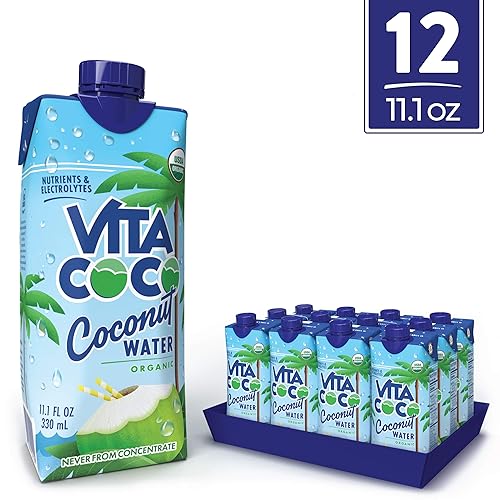
Vita Coco Coconut Water, Pure Organic | Natural Hydrating Electrolyte Drink | Shelf Stable | Smart Alternative To Coffee, Soda, & Sports Drinks | Gluten Free | 11.1 Oz (Pack Of 12)

button

By: Fiorella Espinosa, with the collaboration of Constanza Olivares

July 28, 2016. Did you know that according to a study by the National Institute of Public Health of Mexico (INSP), drinks contribute more than 20% of the calories in the Mexican diet. Although it is recommended that they do not exceed 10%.

Furthermore, 70% of the added sugars consumed by Mexicans come from sugary drinks. This has caused a strong problem of overweight, obesity and diabetes in our country.

Therefore, in addition to raising awareness about the consequences of sugary drinks, at El Poder del Consumidor we bring you healthy alternatives in drinks.

For now we introduce you to coconut water, which is rich and very nutritious!

What is coconut water?
It is the liquid that is found naturally inside the coconut. It has a transparent color, sometimes a little opaque, and is located in the interior hollow, surrounded by the pulp in the coconut. It has a characteristic flavor that can vary by the species, the place of origin and the maturity of the coconut ("dry coconut" or "young coconut", which is fresher and more functional), it can also depend on the land where the palm is located coconut tree.

Mexico occupies the eighth place worldwide in coconut production, which occurs in various states on both coasts, mainly Guerrero and Michoacán.

What nutrients and benefits does it bring you?
In addition to being extremely refreshing and quenching our thirst, the benefits of drinking coconut water are abundant and beneficial for various areas of our health.

Coconut water contains a large amount of minerals, such as potassium, magnesium, copper, iron; vitamins, such as folic acid and B complex that help maintain our health, also vitamin C that helps cleanse the body of bacteria and strengthens the immune system.

Although it is liquid, it contains a considerable amount of fiber (2.6 grams in 240 ml) stimulating intestinal transit and thereby preventing constipation and eliminating fermented substances from the intestines that cause severe health problems.

Unlike coconut flesh, coconut water is very low in fat.

100% natural coconut water contains more electrolytes than sports drinks.

It is precisely the electrolytes that optimize the level of hydration in the body.

Being an excellent moisturizer, various benefits are obtained, such as better digestion, efficient elimination of toxins and proper kidney function.

Its high content of potassium and other electrolytes promotes adequate blood pressure, helping to prevent heart disease.

The bioactive enzyme content helps the absorption of nutrients, preventing gallbladder diseases and improving digestive processes. It also helps prevent infections by bacteria, viruses, and fungi; promotes bowel regularity and healthy thyroid function.

Coconut water contains cytokinin that promotes cell regeneration, helping to prevent aging of the skin and hair. For those who suffer from acne and dandruff problems, the water of this fruit helps to combat and prevent these problems, since it facilitates the removal of oil on the skin.

How much?
Today, commercial brands sell 330 ml below $ 15 pesos in commercial chains.

There are 500 ml and 1 l presentations that offer a lower cost per milliliter resulting in a better investment for the consumer. Just make sure that the brand you choose is really 100% natural, as not all are.

How is it recommended to consume it?

Certainly cold tastes better.

It is ideal to use as the base for smoothies prepared with fresh vegetables and fruits.

Being natural and full of electrolytes, it is recommended before, during and after exercise.

The ideal way to consume is freshly extracted from the coconut. If you have the opportunity to get it in your neighborhood, do not miss it, since you also support the economy of small merchants. If it is not feasible, one way to get it is packaged, which is very practical and convenient to enjoy at home, office, gym and your favorite places.

Currently, coconut water has been strongly promoted as a healthy alternative.

In the market there are multiple options of coconut water, however, be careful, since we have identified brands that are adding additives (brands packaged in glass or can).

In other cases, there are brands that are adding sugars and / or water and they are NOT declaring it on their labeling, therefore these products contain added sugars which makes them an unhealthy alternative, additional to deceiving you as a consumer.

If you look at the information in the following table you will notice that the brands that add sugars contain more calories than the brands that maintain the naturalness of the product.

The fact that these brands have more calories is even more alarming knowing that they add water (water lowers the energy content, so if a container of such brands has up to 29% more calories it is because it contains enough added sugar).

Here we show you which brands, according to laboratory studies from prestigious institutions, add sugars and / or water:

Important note: each of the above products was analyzed by recognized laboratories, using:

  • Stable Isotope Mass Spectrometry for the detection of exogenous sugars, using the Carbon Isotope ratio (13C / 12C) in sugars from fruit juices of C3 plants.
  • Stable Isotope Mass Spectrometry for the detection of added water, using the Oxygen Isotope ratio (18O / 16O).
  • The information we provide is based on laboratory studies that show that the Acapulcoco brand (regular and “organic”) add water and contain added sugars.

In the case of the Coco Niau brand, the results show that they contain added sugars and there is no conclusive evidence of dilution with exogenous water.

The results of the studies carried out can be consulted here.

Did you know?
During World War II, soldiers received intravenous infusions of coconut water for their similarity to the chemistry of blood plasma.


Vita Coco Coconut Water, Pure Organic | Natural Hydrating Electrolyte Drink | Shelf Stable | Smart Alternative To Coffee, Soda, & Sports Drinks | Gluten Free | 11.1 Oz (Pack Of 12)

Friday, April 10, 2020

The Original Donut Shop Keurig Single-Serve K-Cup Pods, Regular Medium Roast Coffee, 72 Count

The Environmental Factor of coffee capsules

I can certainly understand the appeal of one of the espresso machines, but like most things that seem too good to be true… coffee capsules have a dark side (and it's not just the dark roast they have).

The Original Donut Shop Keurig Single-Serve K-Cup Pods, Regular Medium Roast Coffee, 72 Count

button

The Environmental Factor

One of the reasons why John Sylvan regrets creating K-cups? The environmental repercussions.

Coffee capsules generate large amounts of plastic waste each year. These are not biodegradable or recyclable (although some companies have started to make biodegradable options).

Although there are brands of capsules such as cheap Dolce Gusto capsules , these are very affordable, you have to consider the environment. Some manufacturers like Nespresso also join the game, and they're not the only ones. If we consider the creators of larger coffee capsules (Dolce Gusto and Nespresso) as those who could make a change to recycle.

Coffee capsules and their impact


So why is it so important?

Last year, enough k-cups were sold that if placed end to end, they would go around the world 10.5 times. And that's just the amount sold in one year! (source)

In fact, nearly 10 billion of the individual cheap Dolce Gusto coffee capsules have been sold in the past year and that number appears to be on the rise. Some of the newer generations of k-cups are recyclable, but you have to take them apart and separate the plastic, compost the coffee grounds and discard the top. Also, most people are not even aware that some of them are recyclable.

With increasing levels of BPA and other plastic chemicals found in our groundwater, ocean water, and even buried under 30 feet of ice at the South Pole, experts warn that these chemicals may be contributing to the increase in health problems that we are seeing worldwide.

Cheap Dolce Gusto coffee capsules alone are a major source of plastic chemicals in landfills, and unfortunately their popularity seems to be growing. This prompted a video team to make an exaggerated video encouraging people to "kill the K-Cup."

Of course, this video is overly dramatic, but it demonstrates the point that even those of us who don't use k-cups are affected by the plastics of their release into the environment.

To be fair, Green Mountain (which Keurig owns) announced plans to make its coffee capsules recyclable by 2020, but it still means that billions of more plastic cups will enter landfills in the next five years, and even if / When they are recyclable, many people will not recycle.

Health Ramifications

Equally threatening are the potential health concerns associated with disposable coffee capsules.

Plastics ...

They are plastic, so they apply all of the usual problems associated with consuming food or drinks in plastic containers, but they are actually intensified because hot liquid is used, allowing more plastic chemicals to transfer into coffee.

Plastic chemicals like BPA, BPF, BPS, and phthalates are known endocrine disruptors and can contribute to hormonal imbalance, weight gain, and fertility problems. Although Keurig has recently confirmed that his capsules are BPA-free, they tested positive for estrogenic activity and may also contain polystyrene, a possible carcinogen.

Aluminum

The tops of these K-Cup coffee capsules are generally made of aluminum, which has some health problems in itself and which can be bad for the brain. Aluminum exposure has been linked to Alzheimer's disease, depression, anxiety, autism, and even autoimmune disease.

Mold, algae, and biofilms?


Microbiologist Erin Chamerlik noted that coffee capsule machines are also an increasingly critical environment for mold, mildew, algae, and biofilm.

The instruction manual for these machines states that once filled with water, the internal tank and lines cannot be drained, creating perpetual darkness, a warm and humid environment.

These molds and biofilms bring their own health problems and are almost impossible to eradicate. Hot water is not enough to finish them off, nor is the acidity of coffee. Some sources recommend running multiple cycles with diluted vinegar, but laboratory tests have shown that this is not enough to remove mold and biofilms.

In fairness, this problem is not limited to just using it in coffee machines. Almost all coffee machines can be a source of mold and biofilms, and up to 50% of cups of coffee contain mold spores or even fecal bacteria.

Financial affairs

If the sanitary and environmental aspects are not enough to convince you, the individual coffee capsules are an absolutely horrible deal .

Of course they are convenient, but with so little coffee in each capsule, a pound of coffee would cost over 50 euros!

Even the highest-quality, single-origin organic coffees generally don't cost a lot, and many of us pay for low-grade, plastic and aluminum-coated ones that wreck the environment!

If budgeting is a problem, these should be the first to go!

K-cups and Coffee Capsules: The Solution?

Don't buy a coffee capsule brewing machine. If you have one, get rid of it. Sure, convenience can't be better, but it's not worth the financial, environmental, and health downsides. Rising levels of plastics in landfills is becoming a massive global problem, and this is one of the main sources.

Of course, I am a coffee drinker and I will not advocate avoiding coffee, simply by making it in an ecological and health conscious way (which also tastes much better, it should be clarified). If you still can't get rid of your Keurig, at least, consider buying biodegradable options like the ones that can be compounded (bonus: they're cheap too!) Or use a reusable capsule.

What to do

K-cups take about a minute to prepare, and my much healthier and environmentally friendly version only takes about two minutes… plus, the flavor is absolutely worth the extra minute of prep time.

I use a glass electric kettle and and a stainless glass French press to make coffee.

I heat the water to almost boil in the electric kettle. This takes about 30 seconds. As this heats up, I grind fresh organic coffee beans and put them on the bottom of the French press.

I pour the water into the French press and stir with a wooden spoon. After about 60 to 90 seconds, I push down the filter in the French press and I get delicious freshly brewed coffee without plastics, aluminum or biofilms.

(Or, if you're like my Italian husband who prefers espresso, get an old-school stainless espresso espresso stove.)

Confession: I once had a coffee capsule brewing machine. I was using reusable or biodegradable capsules, but after researching the various health and environmental issues with these machines, I returned to our beloved French press and couldn't be happier .


The Original Donut Shop Keurig Single-Serve K-Cup Pods, Regular Medium Roast Coffee, 72 Count

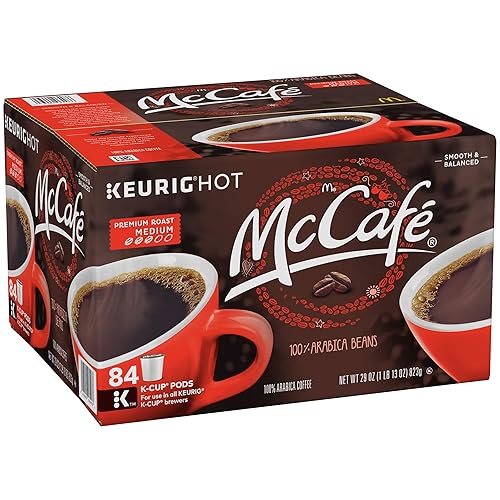
McCafe Premium Roast Keurig K Cup Coffee Pods, 84 Count (Pack of 1)

How to prepare coffee at home: 5 ways to get a perfect home brewing

Like many people, you probably have a few cups of coffee a day: on the road, a cup or two in the office, and at home. Most of us have a coffee maker or espresso machine to brew that perfect cup of hot coffee. There are many ways to enjoy delicious coffee at home.

We love to share the secret of a good cup of coffee, whether you own a cone coffee maker or enjoy coffee capsules.

McCafe Premium Roast Keurig K Cup Coffee Pods, 84 Count (Pack of 1)

button

1. HOW TO PREPARE THE PERFECT COFFEE IN YOUR CAPSULE COFFEE MAKER:

Coffee and espresso capsules are one of the most popular ways of making coffee today. And it's no wonder, thanks to its ease of use, large selection of flavors, luxury machines, and ways to recycle used coffee pods .

How to use a capsule coffee maker:


  •     Make sure your machine is compatible with the capsules of your choice. Try our L'OR Barista coffee maker, for example, specifically designed to make a perfect L'OR espresso, lungo or ristretto and that can also be used with double capsules.
  •     Always use fresh water in the tank for optimal results.
  •     Turn on the machine and wait until it warms up.
  •     Rinse the machine allowing the water to flow through it, without using any capsules. This can also be done after each use.
  •     Choose the capsule you want. Insert it into the machine and close the lid.
  •     Select the coffee of your choice: ristretto , lungo or espresso .

Are you preparing a drink with milk? A high intensity espresso or a ristretto will ensure great luxury coffee. Decalcify your machine regularly to get the best results.

2. HOW TO PREPARE A PERFECT CUP OF INSTANT COFFEE:


The practical instant coffee has been around for more than a century. Back then, it was just a simple “coffee flavored water”, but today you can enjoy a rich and aromatic flavor when you know how to make the perfect cup of instant coffee. First of all, start with a good quality coffee that meets your preferences. Freeze-dried coffee with a grainy texture tends to have a more authentic coffee flavor. Do you prefer a daring flavor? Well consider intense instant coffee. There's even a decaffeinated instant coffee available.

How to make instant coffee:


  •     Put one or two tablespoons of instant coffee in your cup.
  •     Add fresh water to your kettle and bring it to a boil.
  •     Pour the water right after it starts to boil over your instant coffee to fill the cup.
  •     Stir until all granules are dissolved.

When your coffee is ready, you can add sugar, cream or milk foam as you normally would. Quick, easy and tasty.

3. PUT IT ON YOURSELF: HOW TO PREPARE SPILLED COFFEE

Coffee experts blindly believe in measuring and brewing their own filter coffee. This popular brewing method is called "slow brewing" and is actually quite affordable. Using this method takes a little time and practice, but the results are surprisingly delicious when done right. You can start your “slow brewing” adventure with a pour coffee maker, a cone maker or a Chemex. A similar technique is used in all of them.

How to use a cone coffee maker:


  •     Put a filter in your cone coffee maker and soak it with a little water (boiling) to remove the filter taste. Throw the water out of the container.
  •     Measure fresh water for your cup / s. Bring it to a boil and let it steep for about 30 seconds.
  •     Measure out about 2 tablespoons of ground coffee per cup and put it in the filter. The best results are obtained with pre-ground coffee, which has a consistency of sand or table sugar, but you can also grind your own fresh coffee beans.
  •     Pour some freshly boiled water over the ground coffee and use a circular motion to completely submerge the coffee in the water.
  •     Let the wet ground coffee mixture pre-infuse. During the pre-infusion, the coffee absorbs the water and gives off its flavor. This takes approximately 30 seconds.
  •     Slowly pour the rest of the water into your cone coffee maker. Use a circular motion and start about 1.25 cm from the edge. When the coffee is dipped, pour the water slowly.
  •     Let the water drip through the coffee and filter, this can take 3-4 minutes.
  •     Take out the filter and pour the coffee into your cup.

4. HOW TO USE A FRENCH COFFEE PRESS:


Another profitable way to brew your coffee is the French press, which has a built-in filter and is perfect when brewing one or two cups. In a French press you have to use a medium grind coffee, because fine grind coffees pass through the filter, resulting in a cloudy and sandy coffee.

How to use a French press:

  •     Lay your French press on a flat surface and hold the handle firmly.
  •     Pull out the plunger with the filter and set it aside.
  •     Add a heaping tablespoon of ground coffee per cup (about 150-200 milliliters).
  •     Boil fresh water (150-200 milliliters per cup) and let it steep after boiling for about half a minute.
  •     Pour the non-boiling water over your ground coffee and stir gently.
  •     Carefully reinsert the plunger with the filter just above the water and ground coffee. Let the coffee and water mixture sit for about 4 minutes.
  •     Press down slowly with constant pressure.
  •     Leave the plunger down to avoid coffee grounds in the cup and pour your coffee.

Always wash and dry your French press thoroughly after each use to continue enjoying the best results. Make sure you don't clog your filter with fine-grind coffee. Grinding your own coffee beans to a medium size is the best option for this method.

5. HOW TO GET THE GREATEST MATCH FROM YOUR FILTER COFFEE MACHINE:

Coffee makers have made our lives so much easier, and while the machine does most of the work for us, there are still ways to brew our perfect filter coffee.

This method of brewing highlights the fresh tones of your coffee. For a full flavor, use L'OR Classique ground coffee. The smooth, balanced flavors are perfect for a tempting mug. Looking for something a little more stimulating? Well, try the Intense ground coffee.

How to use a filter coffee machine:


  •     Wet the filter before placing it in the machine. This reduces a possible paper flavor.
  •     Use a coffee suitable for filter coffee machines.
  •     Use fresh water in the tank.
  •     Put 2 tablespoons of ground coffee in the filter.
  •     Press the button and wait until the water passes through the filter.


McCafe Premium Roast Keurig K Cup Coffee Pods, 84 Count (Pack of 1)

Thursday, April 9, 2020

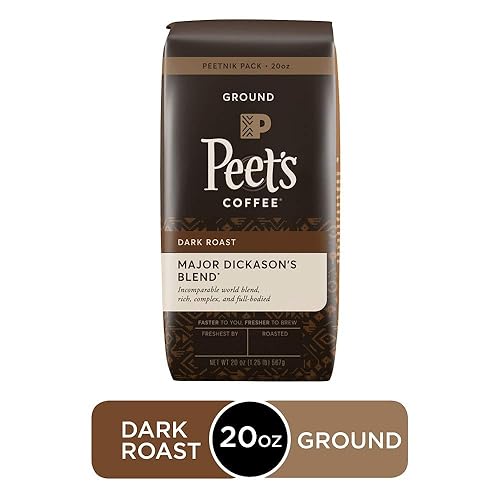
Peet's Coffee Major Dickason's Blend, Dark Roast Ground Coffee, 20 oz

How to Make Coffee Without a Coffee Maker

Can you make good coffee without a coffee maker? How is coffee made without a coffee maker ? Yes, it can. And it is simpler than it seems, although logically if you do not know the process beforehand, everything may sound strange and somewhat complicated. If you already know how to make coffee with your coffee maker at home for a lifetime - whatever type it may be - you may find this proposal extravagant, but the truth is that in many situations it is necessary and many users ask us about it. We will explain it without further delay.

In order to make good coffee without a coffee maker , it is necessary to know the basics of infusion, which is the traditional method of making coffee without a coffee maker and which has nothing to do with the filtering or brewing process used by espresso coffee machines. And is that ground coffee without coffee maker has no point of comparison with instant soluble coffee, the typical product of sachets. So… stop asking yourself “ How do I make coffee without a coffee maker? "And keep reading to get out of doubt.

Peet's Coffee Major Dickason's Blend, Dark Roast Ground Coffee, 20 oz

button

How to make coffee: principles. What is a coffee infusion?

Infusing means, generically, immersing an ingredient (grains, roots, herbs) in hot water for a prolonged period of time, so that the water ends up absorbing the elements, flavors, aromas and other properties of the infusible product. This is how tea and other infusions are known worldwide.

There are several ways to make coffee without a coffee pot , such as the legendary coffee pot or the plunger coffee machines (French press), but this is without a doubt the most popular and the most respectful of its origins of all coffee-free coffee recipes.

And now, let's see without further ado how to distill coffee without a coffee maker .

How to pass coffee without coffee maker (step by step)

In order to prepare ground coffee without a coffee maker , we need the following ingredients and utensils:

  •     2 small tablespoons of ground coffee (medium-coarse grain).
  •     1 cup of water.
  •     1 saucepan or small saucepan.
  •     1 strainer (as thin as possible).
  •     1 teaspoon
  •     1 pitcher.

As you can see, in the previous list the coffee maker does not appear anywhere. The proportions of the ingredients are a reference to make a single cup of coffee. If you want to prepare more quantity, or prefer the more intense (or softer) coffee, you will have to vary the amounts of ground coffee and water accordingly, until you get the result that you like the most.

So keep reading and you will see how you can make coffee without a coffee maker in a very simple way.

How to prepare a coffee without coffee maker?


Well, once we have the ingredients and objects ready and ready, it's time to get down to business.

  •     The first thing to do is put the water to heat on the fire, until it boils (boiling point).
  •     While we wait for the water to heat up, we pour the ground coffee into the empty jug. It is important that the jug is suitable for serving, as this will be the container where the coffee will be prepared, ready to consume.
  •     When the water has reached the boiling point, carefully pour it into the jug where we have the ground coffee.
  •     Without stirring, let the mixture sit for 2 or 3 minutes.
  •     Now use the teaspoon to stir the mixture well, and let it rest for another 2-3 minutes more.
  •     At this time, the coffee will be ready to drink, but first we must strain it. Place the strainer over the cup where you are going to serve the coffee, and pour the coffee from the jug.

And now that you know how to strain coffee without a coffee maker , it is best to watch a video to reinforce what you have just learned (or leave everyone in doubt):

How is the past coffee without coffee maker?

You already know how to make coffee without the coffee maker, but you may be wondering how it will taste and if it will meet your expectations. Well, coffee without a coffee maker has a body and the intensity will depend largely on how long you leave it in the water. In this way, you can control its qualities, but you must be careful because if you spend time the coffee will be over and with a bitter aftertaste.

On the other hand, and by its own definition, it is not possible to prepare espresso coffee without a coffee maker. To make espresso without a coffee maker, it takes a high pressure (around 9 bars) for the water to filter through the ground coffee. And this can only be achieved with the specific technology of a coffee machine.


Peet's Coffee Major Dickason's Blend, Dark Roast Ground Coffee, 20 oz

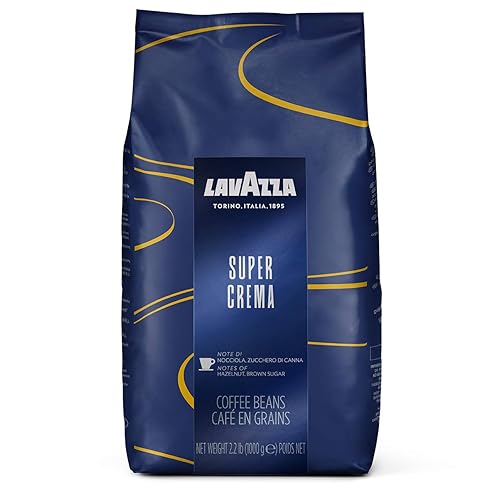
Lavazza Super Crema Whole Bean Coffee Blend, Medium Espresso Roast, 2.2 Pound (Pack of 1)

How to prepare your coffee according to its degree of roast

Making excellent coffee means balancing many variables. In the same way that you consider the extraction method and the relationship between coffee and water, you should keep in mind your roasting profile.

Maybe you have a recipe that you always use to prepare an excellent V60, but if you change a light roast for a medium one, you may have to reconsider. Read on to discover what modifications to make according to the coffee roasting profile.

Lavazza Super Crema Whole Bean Coffee Blend, Medium Espresso Roast, 2.2 Pound (Pack of 1)

button

How Coffee Roasting Profiles Vary

Roasted coffee is generally divided into light, medium, and dark , and you likely have a preferred roasting profile for home brewing. But what is the difference between roasting profiles?

There is no industry standard that defines what is light, medium, or dark, and roasters often put their own names on different profiles. But in general, light roasts retain more coffee bean flavors and this profile can highlight floral and fruity notes. The darker the coffee is roasted, these delicate flavors can disappear behind sensations that are more reminiscent of chocolate and nuts. If the coffee is roasted too dark, it can turn sour.

Taste is not the only difference between roasting profiles. As coffee is exposed to more heat during longer roasting and higher temperature, it becomes more porous and therefore more soluble. In part, this is why medium or dark roast coffees are generally used for espresso , since there is a short period for extraction, a roast that is more soluble will work better than a light roast.

Why Should You Prepare Light and Dark Roasts Differently?

A good cup of coffee depends on the correct level of extraction . When roasted and ground coffee beans are placed in the water, various chemical compounds are extracted. First, the compounds responsible for the fruity notes and acidity are extracted. The sugars are then extracted, producing the sweet flavors. The compounds responsible for the bitterness are then extracted. If a coffee is underextracted, it may have a sour taste, because the sugars did not have the opportunity to enter the preparation. If it is overextracted, it may be too bitter.

Since light roasts are less porous than dark roasts, compounds will be extracted more slowly. For this reason, light roasts are often prepared using a slower method, such as pouring; the beans can stay in contact with the water longer than in a faster extraction method such as espresso. Also, this means that if you were to use the same recipe with the same coffee with two different roasting profiles, you would feel different tastes and have a different mouthfeel.

Sam Koh is a barista and founder of Kaffiend Brews , a coffee shop in Singapore . She tells me that “a light roast coffee gives you more complex notes and the best way to highlight them is with a slow extraction, like a pour. A darker roast may not shine as well with a slow extraction due to the extraction time, which could cause the extraction of more sour or bitter notes. ”

How to Adjust Your Recipe for Different Roast Profiles


So, you discovered your pouring recipe, but you want to try new beans. How can you modify your method to work with a different roasting profile? To compensate for differences in porosity and solubility, you can change some variables.

Grinding Size

When coffee is ground to a finer size, it has a larger display surface. This means that the extraction will be faster. So if you are used to making medium roast coffee and you are trying a light roast, grind it a bit finer. Similarly, if you normally use lighter roast beans, but try a darker one, use a coarser grinding size.

Marlous Van Putten is a store manager and barista at the Dutch coffee shop chain Coffeecompany . She says: “Personally, I also always grind my beans to a finer size if they are light roasted and to a thicker one if they are dark roasted. This is because, from the beginning, dark roasting tends to have a more bitter taste, so a long contact time between water and coffee would result in over-extraction ”.

Water temperature

There is no single correct temperature for brewing coffee (although there are recommended ranges, such as the 195–205 ° F / 90–96 ° C suggested by the SCA ). But the hotter the water, the faster the extraction. Some compounds will never be mined at very low temperatures, which is why the cold brew is usually very smooth and sweet, but it may lack a bit of bitterness to balance out the other notes.

Consider the water temperature as one more factor that you can adjust to highlight your favorite flavors in your coffee. If you are using a dark roast, you may want to lower the temperature of the water to avoid overextraction and decrease the chance of sour tastes. If you are using a lighter roast than you usually use, using hotter water will help speed up the extraction a little.

Marlous says: “The common rule is lower temperatures for darker roasts and higher temperatures for lighter roasts. Side note: The darker roast will probably not taste good if it is made with water at an elevated temperature, while the lighter roast made at a lower temperature may taste good. "


Extraction time

The more time coffee is exposed to water, the more time is available for extraction to occur. Keep this in mind when choosing a brewing method , as mentioned above, espresso has only a brief chance to brew, so a light roast may not be the best option.

In each method, you can also modify your technique to have a longer or shorter extraction time. For example, pouring the water more slowly when you prepare filtered coffee or letting it rest in a French press for longer before serving.

Sam says, "For light roast coffee, it seems to me that infusing it longer before the first drip gives the coffee more time to expel more complex and complicated flavors."

Other Factors to Consider


Using different roasting profiles with different grinding sizes, water temperatures and extraction times and seeing how these variables affect your cup can be interesting. But you should also consider the features that can accidentally change.

As coffee beans age, the flavor degrades. Oxidation and degassing cause coffee to lose important oils and compounds that contribute to aroma, body and flavor. It is generally recommended to use roasted coffee beans within two weeks of purchase , store them in airtight, light-proof containers, and grind as necessary to avoid faster oxidation.

If you know that your beans are a little old, you can adapt the recipe to compensate. If you grind light roast coffees more finely, you will increase the surface and the extraction rate, which should revive the slightly stale beans.

Dark roasted beans that are already old can be very porous and therefore very soluble. Coarser grinding or the use of cooler water will slow down the extraction and prevent the preparation from being too bitter.

Marlous recommends keeping in mind a few more factors that could lead to a successful or disastrous end result. "The type of water you use, the freshness of the beans, the quality of the beans, the cleanliness of your equipment," he says. "You should be aware that each step in the process has an effect on the outcome in the cup."

Maybe you have a recipe that you developed through controlled experiment or trial and error. But when you try a new coffee or roast profile from a different roaster, it's time to reconsider your method. By understanding how variables such as grind size, extraction time, and water temperature can be adjusted, you can get excellent results with each roasting profile.


Lavazza Super Crema Whole Bean Coffee Blend, Medium Espresso Roast, 2.2 Pound (Pack of 1)

Wednesday, April 8, 2020

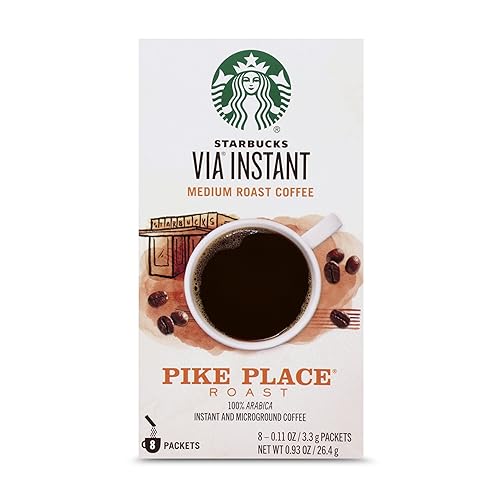
Starbucks VIA Instant Pike Place Roast Medium Roast Coffee, 8 Count (Pack of 1)

How to make good instant coffee

Invented in 1901 by Japanese scientist Satori Kato, instant coffee has been around in homes and offices for over a century, as well as in the hospitality industry. It is a great commercial success due to its ability to instantly melt in hot water. However, it is not usually appreciated by coffee connoisseurs because it lacks the intensity, complete nature and flavor of coffee made from freshly ground coffee beans or lyophilized ground coffee; it is often referred to as derogatory. "hot water with a coffee flavor". Regardless, when you don't have the money to buy a good coffee maker and coffee beans or don't have time to make a coffee maker in the morning, instant coffee can be a good substitute if you pay attention to how you prepare it. With a few simple steps, you can prepare the perfect cup of instant coffee.

Starbucks VIA Instant Pike Place Roast Medium Roast Coffee, 8 Count (Pack of 1)

button

Steps

1. Buy a quality instant coffee. The first step in preparing instant coffee with good taste is to use instant quality coffee beans. Quality will not necessarily be reflected in price, even if it is a good indicator. You probably have to try different brands before you find one that you like enough.

There are two types of instant coffee: atomized and lyophilized. The freeze-drying method minimizes coffee and tends to produce a more real coffee flavor.

2. Fill a small pot of water. Ideally, use bottled, purified, or filtered water, but if you don't have it, tap water will be fine. It's just that the quality of the water has an impact on the final flavor, so the less chemically improved the water, the better. Light the fire under the pot or use a kettle if you have one.

3. Read the instructions on the jar of instant coffee. Some differ from others and since they know their brand better, it is better to read the recommendations. Place the specified amount of soluble preparation in an empty cup. Usually this is a scattered teaspoon (to start).

4. When the water in the pot or saucepan is about to boil, pour it into the cup. Pour just a teaspoon of very hot water (almost to the boiling point) into the cup, just enough to moisten the coffee. If you use sugar, put it at this point. Using a metal spoon, press the liquid against the sides of the cup. Once mixed, add the rest of the hot water.

Leave room for milk or cream if you intend to add it and if you want a latte, just fill the cup halfway with water.

It is advisable not to let the water boil completely; hot water blanches instant granules and sour milk.

5. Shake, making sure all the coffee powder, milk and sugar are well mixed. Mixes particularly well at the bottom to prevent sediment.

6 Customize instant coffee. Even if you can decide to drink it as it is, this step can improve the quality of instant coffee. Here are some suggestions:

If you add milk, choose the type carefully. Whole milk tastes creamier than skim milk, and condensed milk is even denser (but has a decidedly different taste). Take a sip of milk just before adding it to your coffee to determine which is your favorite, but be aware that the taste may change when you add it to coffee.

Use cream milk instead of milk.

If you add sugar, try different types of sugar as the taste changes a lot and you may find that one type of sugar tastes better than others in instant coffee.

Add flavorings such as vanilla extract, cocoa powder, or ground cinnamon. Stir well until the ingredients you have added have melted.

Try a cream flavored milk powder. There are different flavors such as caramel or hazelnut.

Invest in a flavored syrup bottle if you want to put it in your coffee. There is also a liquid essence or a coffee extract that can add a little force to the flavor of your instant coffee. But know that these syrups tend to be high in fructose, which is not very healthy in frequent doses.

tips

  • If you want some froth in your instant coffee, mix the soluble powder with milk or cream and sugar in the cup before adding hot water. The coffee and sugar should dissolve and form an aqueous mixture when the water is added. In this way, you will also keep your coffee warm.
  • Shake the milk while it's still in the bottle or carton for an easy and easy cappuccino!
  • If you can't handle the instant coffee you bought to try, don't throw it away. It is perfect for cooking!
  • If you've added too much milk and your coffee is now at room temperature, consider letting it go and starting from scratch. Heating hot water in the microwave can be dangerous as it can get too hot to explode when you mix it.
  • Put the coffee beans and sugar in the microwave.
  • Congratulate yourself for drinking instant coffee - it produces less carbon emissions than filtered coffee.

Warnings

  • On the other hand, mixing ground beans with boiling water will give an even better flavor: just wait for the coffee to settle to the bottom before drinking.
  • Be sure to buy instant coffee and not ground beans. Look for the words "instant coffee" on the package.

Things you will need

  • Instant coffee
  • Kettle or saucepan
  • Bottled or filtered water
  • Milk (any type)
  • Sugar (refined or white)
  • Flavored syrup


Starbucks VIA Instant Pike Place Roast Medium Roast Coffee, 8 Count (Pack of 1)


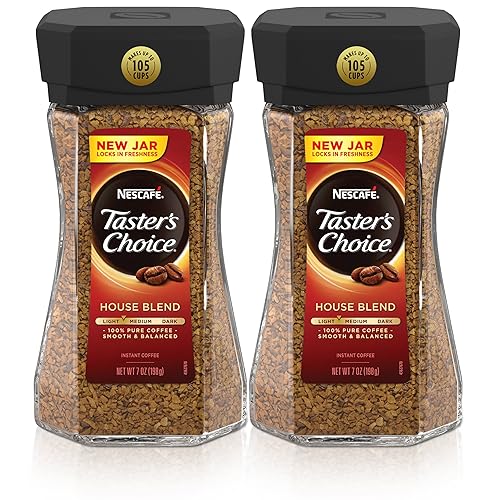
Nescafe Taster's Choice House Blend Instant Coffee, 7 Ounce (Pack of 2)

How to make instant coffee

Instant coffee is great when you need a stimulant, but you don't have a coffee maker. Unlike ground coffee, instant coffee granules are made from dehydrated past coffee. While this means you can't make the granules at home, instant coffee is a simple and tasty way to get your caffeine boost! It's great when you put ice on it and you can use your creativity by adding spices, whipping up a fancy latte, or making an iced coffee smoothie.

Nescafe Taster's Choice House Blend Instant Coffee, 7 Ounce (Pack of 2)

button


Ingredients
Basic instant coffee

  •     200 ml (1 tablespoon) of hot water
  •     1 to 2 teaspoons of instant coffee
  •     1 to 2 teaspoons of sugar (optional)
  •     milk or cream substitute (optional)
  •     cocoa, spices or vanilla extract (optional)

Iced instant coffee

  •     2 to 3 teaspoons of instant coffee
  •     1/2 cup (120 ml) hot water
  •     1/2 cup (120 ml) cold water or milk
  •     ice cubes
  •     milk or cream substitute (optional)
  •     sugar, spices or vanilla (optional)

Instant latte

  •     1 tablespoon of instant coffee
  •     60 ml (1/4 cup) of hot water
  •     1/2 cup (120 ml) hot milk
  •     1 to 2 teaspoons of sugar
  •     cocoa, spices or vanilla extract (optional)

Instant coffee smoothie

  •     1 teaspoon of instant coffee
  •     3/4 cup (180 ml) milk
  •     6 ice cubes
  •     2 teaspoons sugar
  •     1 teaspoon of vanilla extract
  •     2 teaspoon of syrup (optional)


Method 1 Make basic instant coffee


    1
    Heat a cup of water. To heat a cup of water quickly and easily, put it in the microwave for 1 minute. [5] You can also heat it on the stove with a pot or teapot. Heat over medium-high heat, then remove from the stove just before it starts to boil. [6]
        For 1 serving, heat 1 cup (240 ml) of water. Use more if you want to make more servings.
        If you use a teapot it will be easier to pour the hot water into the cup.

    two
    Add 1 to 2 teaspoons of instant coffee to one cup. Check the label of the instant coffee container to see how much you should use to get the best flavor. Most companies recommend using 1 to 2 teaspoons for every 240 ml (1 cup) of water. [7]
        Use more if you like stronger coffee and less if you like it softer.

    3
    Dissolve the coffee with a tablespoon of cold water. Mix it with a little cold water to dissolve it gently. Gently dissolving the coffee instead of giving it a shot of hot water will improve its taste. [8]

    4
    Pour the hot water into the cup. Add the water carefully, especially if you are not going to use a kettle. Remember to leave room for milk or a substitute for cream if you don't like pure coffee. [9]

    5
    Add sugar or spices if you want. If you want a more intense coffee flavor, add sugar or spices after mixing with hot water. If desired, add a teaspoon of sugar, cocoa powder, cinnamon, or allspice. [10]
        You can also use a coffee cream substitute of a particular flavor. Keep in mind that most of these products are very sweet, so chances are you don't need any more sugar.

    6
    Add milk or cream if you don't like pure coffee very much. Pour in cow's milk, almond milk or some other vegetable option, cream or a flavored cream substitute. The correct amount will depend on how dark or light you like coffee. [eleven]
        You can also skip milk or cream and drink pure instant coffee

    7
    Move the coffee and serve it. Stir it well before enjoying it or serving it to someone else. Mix until color is uniform to combine sugar and milk evenly (if using).


Method 2 Making iced instant coffee


    1
    Mix 2 teaspoons of instant coffee with 120 ml (1/2 cup) of hot water. Heat the water in the microwave for 30 seconds to 1 minute. Stir the coffee and hot water together until the coffee granules are dissolved. [12]
        Mix the coffee in the glass you want to use to drink or in a separate cup. Just make sure the container is microwave safe.
        If you're going to pour the coffee over the ice into a separate cup, heat the water in the microwave in a measuring cup or other container that has a spout.

    two
    Stir sugar or spices into the hot mixture if desired. If you are going to use sugar or spices, add them before ice and cold water or milk. Sugar, cinnamon, allspice, and other ingredients will dissolve better in the hot mixture. [13]
        You can also add a substitute for cream with flavor or syrup instead of sugar and spices.

    3
    Add 1/2 cup (120 ml) of hot water or milk to the hot mixture. If you want a creamier iced coffee, use cold milk instead of water. Stir them until everything is combined and evenly distributed. [14]

    4
    Pour the cold coffee over some ice. Fill a tall glass with ice cubes and slowly pour the cold coffee on top. [fifteen]
        If you made the coffee in the glass you want to use for drinking, just add ice to it.

    5
    Serve iced instant coffee right away. Drink the iced coffee directly from the glass or put a straw on it. Serve or drink it before all the ice melts and makes it watery. [16]


Method 3 Whisk an instant latte

    1
    Mix a tablespoon of instant coffee with 60 ml (1/4 cup) of hot water. Heat the water in the microwave for 20 to 30 seconds. Add the instant coffee and stir until the granules have dissolved. [17]
        Combine the water and coffee in the cup you plan to use. The mug must be at least 1 cup (240 ml).

    two
    Add sugar or spices, if you like. If you like sweet or flavored latte, add a teaspoon of sugar, cinnamon, pumpkin spices, vanilla extract, or coffee syrup of some flavor. Pour it into the cup and stir until well combined. [18]

    3
    Shake 1/2 cup (120 ml) of milk in a sealed bottle. Pour the milk into a microwaveable jar with a lid, close it, and shake it for 30 to 60 seconds. Thus the milk will emulsify for the classic late. [19]

    4
    Microwave the milk uncovered for 30 seconds. Remove the lid from the jar, then heat the milk. The foam will go to the surface of the hot milk. [twenty]

    5
    Pour the hot milk into the cup. Use a large spoon to reserve the foam when you are pouring the hot milk into the coffee base. Stir the mixture gently until it is a uniform color. [twenty-one]
        If you like the darker latte, don't add all the steamed milk to it. Add just enough to get the color you want.

    6
    Put milk foam or whipped cream on the latte. Spoon the milk foam into the latte or add a little whipped cream to make it more intense. [22]

    7
    Garnish with a little spice and serve the latte immediately. Sprinkle a little milk foam or whipped cream with cinnamon, nutmeg, cocoa, or another spice of your choice. Drink or serve quickly while the coffee is still hot and the milk frothy. [2. 3]


Method 4 Mix an instant coffee smoothie


    1
    Make a blender and plug it in. Take out a blender, make sure it's turned off, and plug it in. Check that the cap is on and that it is tight. [24]

    two
    Add the ice, instant coffee, milk, vanilla extract, and sugar to the blender. Combine 6 ice cubes, 1 teaspoon instant coffee, 3/4 cup (180 ml) milk, 1 teaspoon vanilla extract, and 2 teaspoons sugar. If you want, you can also add 2 teaspoons of chocolate syrup. [25]

    3
    Blend the mixture on high power for 2 to 3 minutes or until smooth. Cover the blender and turn it on. Hold the lid by hand when you're blending everything until the ice is completely crushed. The final product will be uniform and thick, with the consistency of a smoothie. [26]
        If the consistency is too thick, add a little more milk. If it is very watery, add an ice cube to it.

    4
    Pour the coffee smoothie into a large glass. Turn off the blender and remove the lid, then slowly pour the smoothie into the glass. You may need to use a spoon or spatula to scrape down the sides. [27]

    5
    Decorate with a squirt of syrup or chocolate chips. Add the finishing touches like whipped cream, chocolate syrup, or chocolate zest. Try garnishing the smoothie with whipped cream, then sprinkle with cocoa powder or sprinkle chocolate or caramel on top.

    6
    Serve the coffee smoothie immediately. Start drinking it or serve the smoothie before it can melt. Drink it directly from the glass or with a long straw. A spoon might come in handy, especially if you've garnished it with chocolate zest or whipped cream.


Tips

    Store instant coffee in the refrigerator in an airtight container for 2-3 months after opening the container. Store one closed at room temperature for 1 to 2 years.


Nescafe Taster's Choice House Blend Instant Coffee, 7 Ounce (Pack of 2)