Wednesday, April 15, 2020

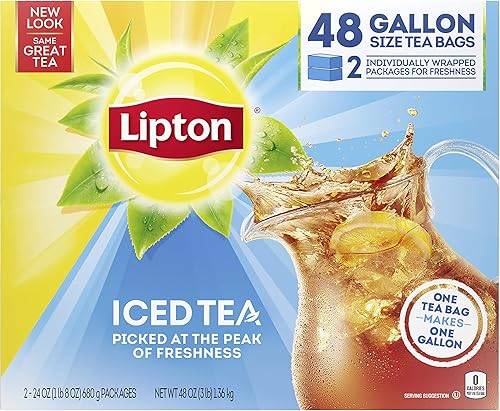
Lipton Gallon-Sized Black Iced Tea Bags, Unsweetened, 48 ct

How to make iced tea? (and what are its benefits)

Iced tea is becoming more and more popular, especially in hot weather. This is typically any type of tea that has been cooled and / or served with ice.

Generally, it is made with black , white or green tea , although some herbal teas are also served cold with the mention "iced tea". Different types of iced tea exist around the world, often cut with syrups to boost the taste (lemon, peach, cherry, orange and passion fruit for the most popular).

But there are still some differences in the method of preparation of iced tea, compared to that of normal tea, especially with regard to the brewing time. So, ready to become the king of iced tea?

Lipton Gallon-Sized Black Iced Tea Bags, Unsweetened, 48 ct

button

Nutritional value of iced (black) tea

Iced black tea contains low levels of potassium, dietary fiber, manganese, sugar, caffeine, fluoride, flavonoids and various other antioxidants. Other types of iced tea, such as green tea or herbal teas, will have different nutritional profiles.

Side effects of iced tea

Iced tea comes with a few potential side effects, including possible irritability, headaches, kidney stones, and potential diabetic complications. Most of these side effects are caused by excessive consumption of iced tea or adding sugar to the drink . Unsweetened iced tea is highly recommended if you want to take advantage of all the health benefits and avoid some of these side effects.

Although caffeine boosts energy and is one of the main reasons people drink drinks like tea or coffee, it can have negative side effects when taken at high levels, such as sleep, irritability, upset stomach, headache, acid reflux and inability to concentrate. Drinking a moderate amount of this tea should help you avoid most of these problems.

Research has shown that tea contributes to the development of kidney stones when consumed in large quantities. Tea contains compounds known as oxalates , which become oxalic acid in the body and can contribute to kidney and gallstones. If you have or have experienced kidney stones, consider talking to your doctor before making this tea an integral part of your diet.

Finally, if you drink unsweetened iced tea, you can help regulate blood sugar, which is good for diabetics. However, if you add sugar to each glass or pitcher of tea, you are more likely to develop diabetes or exacerbate symptoms, due to such a concentration of sugar.

Clear :

  •     don't overdo iced tea
  •     don't sweeten it, or use natural sweeteners like honey sparingly

And everything will be perfectly fine! Now let's go to practice with some homemade iced tea recipes.


How to make iced tea (very easily)?

It is very easy to make iced tea (although there are a multitude of ways to do this), and it will all depend on the intensity and flavor you want to give it. Here are two very nice classic recipes that I use when I have people (or even for myself alone), it is important to note that it is in your interest to choose a relatively strong tea, knowing that the ice cubes will greatly reduce the taste of tea.
Iced tea recipes

Ingredients:

  •     4 basic black tea bags (possibility of using green, white, oolong or herbal tea)
  •     1 to 2L of filtered water, depending on the intensity you want to give to the tea
  •     4 lemon slices
  •     Monin syrup with the flavor of your choice (optional, passion fruit goes very well with)

Preparation:

  •     Bring the water to a boil in a stainless pan
  •     Lower the heat and add the tea bags
  •     Let the tea steep for 10 to 12 minutes
  •     Remove from heat and let the tea cool for 5-10 minutes
  •     Pour a lot of ice into the tea
  •     Add the lemon slices (and / or a little syrup) and let the tea cool 3 to 5 minutes before serving

Second recipe, iced tea under a summer sun

Ingredients:

  •     6 black tea bags
  •     1 to 2L of filtered water, depending on the intensity you want to give to the tea
  •     6 lemon slices (optional)

Preparation:

  •     Fill a large pitcher with water
  •     Add the tea bags and place the pitcher in the sun
  •     Let the tea steep in the sun for 4 to 5 hours
  •     Remove the tea bags and add the lemon slices
  •     Serve the tea on ice and enjoy

Key ingredients of iced tea

It's really not rocket science, your homemade iced tea will only be made with black tea, water and natural sweeteners, such as lemon wedges or honey. That said, different types of tea can be used, including white, green and herbal teas for slightly different flavors. In addition, you can add other elements to “spice up your flavors”, such as mint leaves, a cinnamon or vanilla stick, a dash of syrup, etc. It's up to you to vary the pleasures!


What are the benefits of drinking iced tea?


In addition to being particularly delicious, iced tea offers the same benefits as black tea, thanks to its concentrations of caffeine, polyphenols, catechins, antioxidants, vitamins and minerals. Unsweetened iced teas, or those served with lemon or lime are the healthiest, since they obviously contain no calories or sugars, while providing the drink with more antioxidants, vitamins and nutrients.

1) Maybe an ally for weight loss

Iced tea is low in calories and low in natural sugars (when it is not sweet), which can help you in your weight loss efforts, especially if you are used to drinking sugary drinks and others high sugar drinks. Iced tea can also help you feel full and refreshed, without increasing your daily calorie intake.

2) Prevents chronic diseases

There are powerful compounds in black tea called flavonoids that have been directly linked to the prevention of cancer and other chronic diseases. Flavonoids act as antioxidants, which means they can seek out and neutralize free radicals that cause oxidative stress and tissue inflammation. This is also true for cardiovascular disease because antioxidants reduce the inflammation of tissues in the arteries and blood vessels of the heart.

3) An ally of the immune system

The antioxidants and nutrients found in tea are known to stimulate the functioning of the immune system, which helps the body's defense against pathogens and infections. Some bottled iced teas also enrich their mixtures of ascorbic acid (vitamin C), which can increase the strength of the immune system, but unfortunately most of them are packed with sugar. Stay with homemade iced tea.

4) Promotes good bone health

With significant levels of manganese and fluoride in black iced tea, this summer drink can help you protect your bone mineral density and prevent osteoporosis . Fluoride is directly linked to the prevention of tooth decay and the strengthening of tooth enamel, but it is also present in the rest of our bones and is an integral part of maintaining the strength of our bones as we age .

5) Excellent for diabetics

If you drink unsweetened iced tea , the compounds in black tea can help regulate your blood sugar, increase your body's resistance to insulin, and make your life easier as a diabetic.


Lipton Gallon-Sized Black Iced Tea Bags, Unsweetened, 48 ct

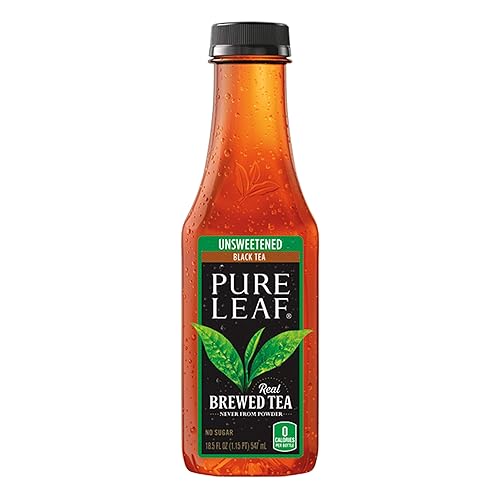
Pure Leaf Iced Tea, Unsweetened, Real Brewed Black Tea, 0 Calories, 18.5 Fl Oz, Pack of 12

7 positive (and 5 negative) effects that drinking iced tea can have on your health.

You might think iced tea is nothing more than flavored water, but it turns out that tea leaves can have quite a big impact on your body.

As you will learn below, the impacts can be both positive and negative, so make sure you know what to expect.

And if you tend to drink a lot of tea during the day, be aware that these impacts may become even more present with the increase in your consumption.

(We will start with the negative effects, before ending with the positive effects.)
Pure Leaf Iced Tea, Unsweetened, Real Brewed Black Tea, 0 Calories, 18.5 Fl Oz, Pack of 12

button


  • 7 positive

Good for your skin.

Natural tea is rich in antioxidants, which give you a fresh complexion and decrease the production of body oils.

Decreases blood pressure.

Hibiscus tea causes a reduction in blood pressure, so consider swapping your black tea for hibiscus tea.

Stronger bones, especially for women.

It turns out that caffeine can help fight osteoporosis, especially in older women. A small amount is enough, so don't overdo it.

Prevents cavities.

Yes, tea can even help your teeth. Both black tea and green tea prevent the buildup of plaque on your teeth. It does not replace daily tooth care, but every little bit helps.

Reduces the risk of lung cancer.

Some studies have shown that tea can prevent cancer (to a small degree, though), thanks to the flavonoids they contain that destroy free radicals that can lead to cancer.
One study suggests that one cup a day should be enough.

Vigilance increases with consumption of tea.

It is thanks to caffeine, which, in moderation, can improve concentration and alertness.

Reduces the risk of heart attack.

These flavonoids that prevent cancer? They can also reduce the risk of a heart attack.

Some of these effects are not good news, so weigh the pros and cons when choosing the drink you are going to drink!


  • 5 negative

Increases the risk of kidney stones.

Studies have shown that drinking lots of black tea can cause kidney stones or kidney failure.

Increases the risk of diabetes.

Note: This is only the case with sweet tea, which can actually be as bad as a soda, so keep this in mind when choosing your drink.

Increases the risk of obesity.

Again, this is the case with homemade sweetened iced teas or almost all of the iced teas you find commercially. They often contain more than 250 calories, which does not make them a healthy choice.

Increases the risk of stroke.

Sweet iced tea increases your blood sugar which increases your triglyceride levels. This means that people who consume a lot of sugary teas have a higher risk of having a stroke.

Also increases the risk of cardiovascular disease.

Black tea contains caffeine, and those who consume it regularly have a higher risk of developing cardiovascular disease than people who drink water.


Pure Leaf Iced Tea, Unsweetened, Real Brewed Black Tea, 0 Calories, 18.5 Fl Oz, Pack of 12


Monday, April 13, 2020

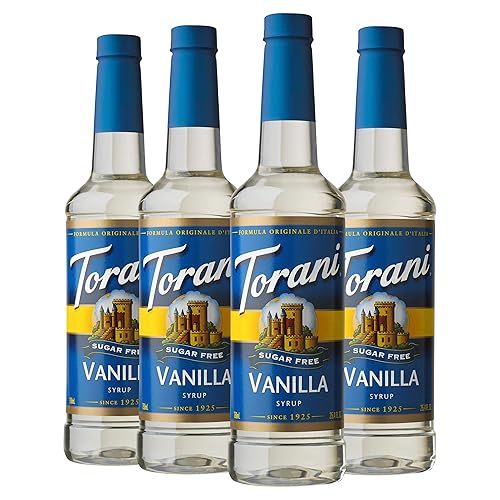
Torani Sugar Free Syrup, Vanilla, 25.4 Ounces (Pack of 4)

Homemade Fruit Syrups and Syrups (for cocktails)

Syrups or Fruit Syrups are liquid preparations based on sugar and fruit, they are used not only to sweeten the cocktail, but to add color and flavor to the mixture. We can make them of all the types of fruits that we want. Here you will find the basic recipe to make all step by step.

I am going to use two examples, the Strawberry Syrup and the Kiwi Syrup. If in any step you have doubts, at the end of the post you have our video to clarify any questions.

Do not confuse these Fruit Syrups with the juices or juices that we buy or squeeze, they have nothing to do.
Torani Sugar Free Syrup, Vanilla, 25.4 Ounces (Pack of 4)

button

First step

We have to have the Sugar Syrup prepared, it is very easy to do and 'here' you have the entrance to do it.

Second step

To the strawberries we cut the leaves and wash them (chop if we want). With the kiwis we peel and chop them, we remove the nerve from the center.

Third step

Take out the juice, in the video you have done it with mortar, but for this step and depending on the amount we have to do, we can use a hand mixer or blender, doing exactly the same as if we were to crush it with mortar.

We add the strawberry in a glass or container, we do the same with the kiwi. We add a stroke of warm water, to facilitate the extraction. Crush, liquefy or beat.

Fourth step

We have to strain it to clean the pulp or seeds, in another container we pass it through a classic kitchen strainer.

Fifth step

Add the Sugar Syrup, we have to add the same amount of Sugar Syrup that we have of strawberry juice or kiwis, with a spoon we mix a little. We will have a thick syrup.

Sixth step (optional)


For a better presentation you can put it in little bottles. You also have quite a few brand names that have a wide range of syrup or ready-made syrup flavors.


Notes: it is best to use them as soon as possible, in the refrigerator they can last us about a week. Before using them, it is convenient to move them a little in the bottle.


Torani Sugar Free Syrup, Vanilla, 25.4 Ounces (Pack of 4)

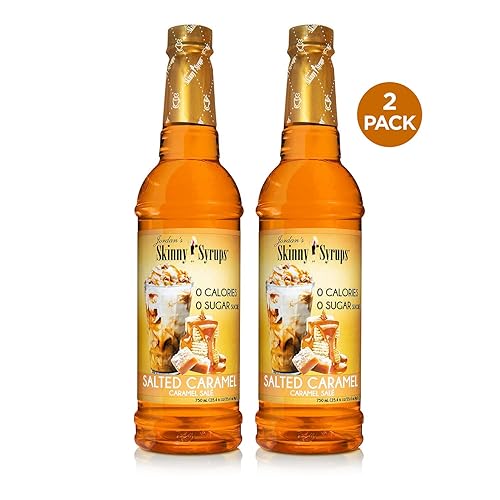
Jordan’s Skinny Syrups | Sugar Free Salted Caramel Coffee Syrup | Healthy Flavors with 0 Calories, 0 Sugar, 0 Carbs | 25.4 Fl Oz (Pack of 2) Packaging may Vary

More Fruit Syrups for Ice Scraping

The success of the scraping business is in the flavor. Experiment.

As mentioned, syrups are basically a combination of water, sugar, and fruit. The recipe of the prophecy is a good guide, although there are other recipes. The goal is to experiment to achieve your own flavors and consistencies.

Jordan’s Skinny Syrups | Sugar Free Salted Caramel Coffee Syrup | Healthy Flavors with 0 Calories, 0 Sugar, 0 Carbs | 25.4 Fl Oz (Pack of 2) Packaging may Vary

button

Other recipes:

Of strawberry:

1. Boil 2 liters of water for 5 minutes.
2. Add 4 cups of sugar, mixing constantly until it boils and thickens.
3. Add 2 kg of clean, crushed strawberries; stir 5 more minutes, remove from heat and let cool.

Tamarind:

1. In 1 1/2 liters of water, boil 250 g of peeled and clean tamarind to make a concentrate.
2. Separately cook 2 cups of water with 2 cups of sugar.
3. When you achieve a light caramel, remove it and mix it with the concentrate.

Cherry syrup

  • 4.8kg of pitted and stemless cherries
  • 8Kg of sugar
  • The juice of 2 lemons
  • 4 liters of water

With the water, the lemon juice and 4 kilos of sugar, and we make a syrup over low heat and let it boil about 15 minutes, strain through a canvas strainer and add the rest of the sugar, bringing to a boil and boiling for 15 minutes but, foaming from time to time, we remove from the heat and let the syrup cool. Once at room temperature we pack in clean, sterilized and dry jars, well covered.

Raspberry syrup

  • 600 parts sugar
  • 700 parts boiled water at room temperature
  • 200 parts distilled water
  • 350 parts filtered raspberry juice
  • Some red vegetable dye, in the desired quantity.

We boil the water and sugar until a syrup is formed to the point of thread, then incorporate the distilled water with the dye diluted in it in the amount as desired the intensity of the red that our syrup looks, let it reduce until it is concentrated and reduce in ¾ parts, foaming in the meantime, add the lemon sumo and bring it to a boil again, foaming again, let it warm and strain through a canvas. Once at room temperature, we pack in clean, sterilized and dry jars, well covered.

  • 10 mangoes.
  • 8 ounces, or 250 grams of sugar. You can add more if you want.
  • 4 cups of water.

Peel the mangoes and grind or thin them very well. Put them to cook with the sugar and the water until it thickens. Let it cooldown.


Jordan’s Skinny Syrups | Sugar Free Salted Caramel Coffee Syrup | Healthy Flavors with 0 Calories, 0 Sugar, 0 Carbs | 25.4 Fl Oz (Pack of 2) Packaging may Vary 

Sunday, April 12, 2020

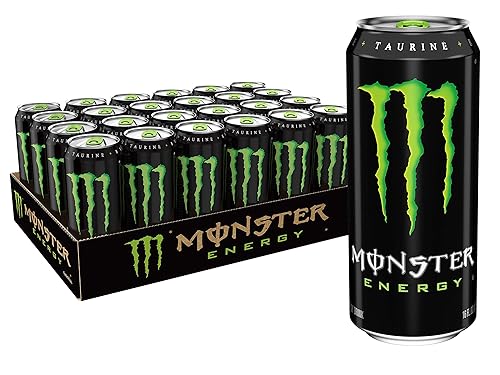
Monster Energy Drink, Green, Original, 16 Ounce (Pack of 24)

The use of energy drinks among physical education students

RESUME

This cross-sectional descriptive study aimed to characterize the pattern of consumption of energy drinks in a sample of physical education students through a self-applied questionnaire (socio-demographic data and characterization of consumption). Variables associated with consumption (p <0.05): sex, marital status, going to the gym, swimming for competition and studying in the morning. Consumption pattern (n = 137): 2.2% once in a lifetime, 9.5% at least once in the last 12 months; 38% at least once in the last month; 39.4% six times or more in the last month; 10.9% twenty times or more in the last month. Reasons for using energy drinks: 54% improve the taste of alcohol, 27.7% have fun all night, 13.9% improve sports performance, 9.5% stimulate, 8.8% like the taste; 6.6% out of curiosity and 4.4% to study. Among those who consumed energy drinks, 87.6% mixed it with alcohol and 25.9% of students said they consume more alcohol when they mix it with energy drinks.

CONCLUSION: the consumption of energy drinks seems to be associated with sport and also with alcohol.
Monster Energy Drink, Green, Original, 16 Ounce (Pack of 24)

button

INTRODUCTION

For some years the market has been invaded by drinks called energy drinks by their producers, who according to them were created to increase physical resistance, provide faster reactions and greater concentration, increase mental alertness, avoid sleep, provide a feeling of well being. being, stimulating the metabolism and helping to eliminate harmful substances to the body.

Young people have free access to these drinks in the places where they gather to dance, in clubs, bars, gyms, sports centers, and music concerts (1) where they are sold separately or together with alcoholic drinks.

This consumption, even more when mixed with alcoholic beverages, is becoming a custom among young people, becoming a new cocktail and dangerous to health. The Secretariat of Programming for the Prevention of Drug Addiction and the Fight Against Drug Trafficking in Argentina (SEDRONAR) is committed to spreading a warning about this consumption. Another issue that arises is that, with the use of energy drinks, the pattern of use of alcoholic beverages, especially distilled ones, would be changing, since, with the mixture and the improvement in flavor, greater amounts of alcohol would be being consumed ( 1) .

The risk associated with high levels of caffeine seems to be the most common problem of these drinks, in comparison to other substances that compose it. The main ingredients of most of these drinks are: taurine, caffeine, guarana, ginseng, glucuronolactone and vitamins. Some have minerals, inositol and carnitine, among other substances. Many of these components are of plant origin. Some ingredients are classified as adaptogens, as they help to normalize functions of body systems altered by tension.

Caffeine is the most widely ingested psychoactive substance in the world. For some time, it has been considered an "ergogenic" substance in sports performance, but only a decade ago controlled studies appeared showing its effectiveness in relation to resistance exercises.

Within sports medicine, an "ergogenic agent" is any mechanism, physiological, nutritional or pharmacological effect that is capable of improving the performance of both physical and occupational activities. There are three types of ergogenic agents: physiological, nutritional and pharmacological. Nutritional ergogenic agents are characterized by the application of strategies and the consumption of nutrients with an extremely variable degree of efficiency. Many athletes use various nutritional supplements, most of which have not yet been scientifically confirmed as being ergogenic (2) .

According to the National Administration of Food and Medical Technology (ANMAT), for energy drinks to be considered food supplements in Argentina, they must modify the maximum values ​​of their components: the current percentage of caffeine from 35mg for every 100ml must drop to 20 mg / ml, which represents a total decrease of 143%.

The potential risk of consuming energy drinks would be increased by concomitant use with other substances, such as alcohol. This could trigger a series of disorders such as seizures, arrhythmias and sudden death. On the other hand, energy drinks seem to delay the depressant effects of alcohol, leading to the consumption of more alcoholic drinks (3) .

However, the greatest danger of using ergogenic agents is that they devalue and minimize the effects of physical training. As athletes resort to the use of these agents, the common person seems to be led to believe that exercise only has an effect when associated with an ergogenic agent, and that the effectiveness of the activity associated with a balanced diet seems to be increasingly questioned by the population.

There are few studies in the literature on the use of energy drinks among young people, either as an ergogenic agent in sports, or for recreational use, mixed or not with alcoholic beverages. This study aimed to characterize the pattern of energy use among physical education students at a school in the city of Rosario, Argentina. It is hoped that the results obtained may serve as a basis for future health education programs aimed at the youth population, and especially at young people who will be teachers or masters in physical education tomorrow.

METHODOLOGY

This is a quantitative, descriptive and cross-sectional study. The participants were students enrolled in the fourth year of the Physical Education Teacher at a school in the city of Rosario, Argentina.

This Institution of Higher Education of Physical Education is of provincial dependency, located in the central zone of the city of Rosario. In this institution there are three schools - one of them is the Physical Education Teachers' School (EPEF), which develops the Initial, First, Second and Third Cycle of Basic General Education and Polimodal Education, in Physical Education. The diploma awarded by such an institution is that of a Physical Education Teacher, and the aspirant must have the complete Secondary School diploma as a prerequisite for admission. In the year the survey was conducted, this faculty had 1541 (845 men and 696 women) students enrolled in conditions to regularly attend any of the four years that the career lasts.

A non-probabilistic sample for convenience was performed. Inclusion criteria were: students over 21 years old, attending the fourth year of regular physical education teaching, who were present at the time of the questionnaire application and who gave and signed the free and informed consent form to participate in the study. search. Students who did not meet the criteria described above were excluded. The fourth-year student population was 364 people, but the total sample was confirmed with 211 students.

For data collection, a self-applicable questionnaire was used based on the author's professional experience and the Questionnaire on the pattern of use of energy drinks used in a survey conducted by the Department of Psychobiology, Federal University of São Paulo (UNIFESP) (1) .

To elaborate questions number 16 regarding: what do you look for when you drink these drinks? and number18 on: if you have tried energy drinks but never drank them again, can you tell us what was the reason for not doing it again? A meeting was held with students from a nursing school and the categories that include such questions were formed from brainstorming .

The final instrument was composed of two parts, one referring to sociodemographic data and sports practices of the individuals surveyed, with eleven (11) structured questions, dichotomous and multiple choice answers, and a second part referring to the consumption pattern of the drinks, with 12 structured questions (dichotomous and multiple choice answers).

Data collection was carried out on six non-consecutive days between October 31 and November 10, 2005, and the questionnaire was successfully applied in all divisions (8) of the fourth year of teaching. The application of the questionnaire began after the permission of the authorities of the School of Teachers in Physical Education, the Board of Directors of the Institution and the Research Department. The modality of data collection was agreed as follows: the conductor of each shift was in charge of presenting the author to the teachers in charge of the time at the beginning of classes in the morning and afternoon shifts, getting them interested in the project and getting their authorization for data collection, which should not consume more than 10 minutes of class. Once with the students, the researcher explained the purpose of the questionnaire that heads each instrument. It was mentioned that this research would aim to understand the mode of consumption of energy drinks, a little studied situation in the city, and that the information could support future health education programs for young people. The students were informed of the anonymous nature of the data, and that its purpose was exclusively scientific. They were also informed that they were not required to participate, and that those who wished to do so voluntarily should first fill out a form called "free and informed consent form". Once the completion of the instruments was completed, the form was placed in an envelope to later receive its classification.

For the analysis, the data were organized in an Excel spreadsheet and then processed in the statistical program EPI INFO version 3.3.2 for Windows. For the descriptive analysis of the data, frequencies, percentages and averages were used. Pearson's chi-square test was used for analytical analysis, considering a 95% confidence interval.

An evaluation of the project was requested by the Bioethics Commission of the Faculty of Medical Sciences of the National University of Rosario, and when it was considered ethically correct, fieldwork began.

RESULTS

Sociodemographic characteristics

As for sex, the sample was made up mostly of men, 114 (54%). The mean age of students was 22 years and 6 months (min = 21 years; max = 38 years, ds = 2.25). Regarding marital status, 191 (90.5%) declared themselves single / separated and only 9 (4.3%) declared having children.

When asked about their place of origin, 135 (64%) said they were from Rosario. Regarding the people with whom they live, 165 (78.2%) mentioned their families of origin.

As for work, 163 (77.3%) students said they work regularly or sporadically. With regard to attending a gym in addition to participating in school sports, 113 (53.6%) students said that they do it regularly or sporadically.

Regarding the practice of sports for competition, a wide range of responses was marked. The sports with the highest frequency were: swimming (n = 42, 19.9%); football (n = 41; 19.4%); weight lifting (n = 18; 8.5%); volleyball (n = 15; 7.1%) and basketball (n = 13; 6.2%).

Among those who train for competitions (n ​​= 143), the average number of days per week that trained the sport practiced was 3.66 days (min. = 1; max. = 7 days, ds = 1.46).

As for the shift they study at the institution, most do it in just one shift, with 99 (46.9%) students in the morning and 106 (50.2%) in the afternoon.

Consumption of energy drinks

Regarding the consumption of energy drinks, 137 (64.9%) of the individuals said they had already consumed and 74 (35.1%) said they had not.

Table 1 shows how the numerical and percentage distribution of the sociodemographic variables of the total sample occurred according to the use of energy drinks.

Since 137 students said they had already consumed energy drinks, Table 2 helps to characterize how this consumption occurred, showing the distribution of individuals according to the consumption pattern, the occasions when the energy drinks were consumed, what people seek when they ingest these drinks and the intake of energy drinks mixed with alcohol.

Consumption of energy drinks associated with sports practices

The study found a statistically significant association between the use of energy drinks and individuals who attend a gym. Among students who attend a gym, 82 (72.6%) consume energy drinks, and among those who do not, 55 (56.1%) consume such drinks ( χ 2 = 6.232; p = 0.012). Regarding the competitive sport practiced and the use of energy drinks, a statistically significant association was found between the practice of swimming for competition and the use of energy drinks ( χ 2 = 3.62; p = 0.044).

Energy consumption associated with alcoholic beverages

Among students who have already consumed energy drinks (n = 137), 120 (87.6%) said they did it by mixing it with alcoholic beverages, and 17 (12.4%) said they did not use this mixture.

DISCUSSION

The results found show that the use of energy drinks is frequent (from one to six occurrences in the last month) among young people who chose physical activity as the activity that will be their way of life in the future. Athletes in general, and especially those who play highly competitive sports, are always interested in innovative products that promise to improve performance or increase their recovery. In this way, energy drinks, categorized as dietary supplements in Argentina, are a strong temptation for these sportsmen. The energy sales message announces that they vitalize the mind and body, and are made for times when physical and mental stress increases. The manufacturer of one of these drinks recommends them for sports that require high levels of energy and an immediate recovery (such as adventure courses, mountaineering, skiing) and states that its use is indicated during and after exercise (4) . In this study, when questioning the sports practiced by physical education students, it was found that swimming is associated with the consumption of energy drinks, in order to improve individual performance. Sports performance cannot be conceived if the quality of strength is not improved. Both strength and endurance are the qualities that can best be developed through proper training, regardless of the external and structural aspect. The training with weight loads has the particularity of bringing favorable results to improve the quality of strength in a short period (5) . One of the cardinal principles of muscle development during sports training is that muscles worked without load, even if exercised for hours, experience little increase in strength. However, muscles that contract at maximum, or near maximum, develop muscle strength very quickly, even if the contractions are performed only a few times a day. Through this principle, it has been demonstrated, with muscle development experiments, that the execution of six maximum or almost maximum muscle contractions, in three separate sets for three days a week, produces a practically optimal increase in muscle strength without producing chronic muscle fatigue. (6) .

Through the sample, it was identified that the practice of attending a gym to train on a regular or sporadic basis, outside of school hours, is also associated with the consumption of energy drinks. This increased use of beverages during training can be an answer to the impact of the media and advertisements for energy drinks that promise an increase in performance and an improvement in sports performance through ingestion during or after intense exercise. However, in a survey conducted among individuals who attend gyms to perform some physical activity, it was found that most were unaware of the purpose of energy drinks and their nutritional benefits. They said they knew that the drink did not contain alcohol, did not eliminate the toxins produced during the activity, and that they believed that it could bring cardiovascular disorders (7) .

With regard to other sociodemographic characteristics of the students in this study, significant associations were identified between the consumption of energy drinks and the fact that the individuals belong to the male sex and are single or separated. Perhaps this can be explained from the literature, which shows that men drink more than women and singles or separate more than married people. As for the association found between higher energy consumption and the fact that they study during the morning shift, it can be inferred that students who chose the afternoon shift may have other activities, such as working in the morning, and necessarily see their time limited to studies and night out, which is where the consumption of these drinks takes place. But this is just a hypothesis, and it should continue to be studied.

Since energy drinks have invaded the market since the beginning of this decade under English-language brands that exalt energy, vigor and strength, today thousands of young people, far from consuming them for sports activities, usually enjoy them in other occasions, seeking an ergogenic effect that allows them to reconcile the daily responsibilities of studying, working and the demands of their personal life with fun. The possibility of over-the-counter sales and consumption on occasions other than sports are supported by advertisements from different companies that, based on research, demonstrate positive effects of energy drinks on physical performance, increasing aerobic and anaerobic resistance and psychomotor performance ( reaction in time, concentration and memory) (8-9) .

The young students in the sample revealed that the occasions when they most consume these drinks are in nightclubs, bars and parties, all of which are fun situations, very far from physical training and sport, and when using them, they try to have resistance to take advantage of all night, in addition to improving the taste of alcoholic beverages. These data match those available in a Brazilian study (1) .

As for the experimental use of energy drinks, it may be more of an effect of the result of the pressure of market marketing strategies on young people, who, in order to feel included in groups, in nightclubs and usual youth meeting places, have to do so drinking alcohol or other drinks.

The consumption of energy drinks with alcohol is more and more frequent among the youth population and this sample of physical education students was no exception.

In the work carried out by the Department of Psychobiology at the Federal University of São Paulo, data were also found in which the use of energy drinks by young people is most often associated with the use of alcohol (1) . In this study, the main purpose of mixing with alcohol on the part of the students was to improve the taste of alcoholic beverages, since it is with vodka, a distilled drink of high alcohol content and very bitter taste, that most mix energy drinks. It seems that the young person does not want to miss the opportunity to ingest this drink with a high alcohol content, which allows him to feel the "pleasant" effects of alcohol, while avoiding its unpleasant taste. That is why it seeks to mix it, not with juices or cola drinks, but with energy drinks, seeking a double effect. Although studies on the interaction between energy drinks and alcohol are scarce, there is some evidence that this mixture would increase the exciting properties of alcohol or decrease its depressant effects (1) . This would allow them to reach their goal, which is to be able to have fun all night drinking alcohol, but without having the depressing effects of it: sleep, tiredness, drunkenness. Although the advertising of beverages announces that they prevent fatigue and improve performance, scientific findings suggest that energy drinks do not increase performance or reduce changes induced by an acute alcohol intake (10) . In the sample, 25.9% said they consume more alcoholic drinks when mixing them with energy drinks. This behavior could be based on the fact that the mixture improves the taste of the drink and allows a greater intake of alcohol.

Considering that students are future educators in physical activity, and how it favors healthy life and health, both sportspeople and educators in sports and physical activities must be informed about these products, their benefits and risks, and look for other foods or liquids that do not represent a potential damage to health (11) .

The message to be spread by both, to the community in general, is that, since sports practices are an important part of the culture of the people, there are no other substitutes to be able to carry them out besides training and good nutrition.

FINAL CONSIDERATIONS

This sample being composed of physical education students, at the beginning of the study, the researchers expected to find the use of energy drinks strongly associated with sports practice. Although this association exists, its frequency is less than the association that appears with alcoholic beverages in clubs, bars and parties.

The students expressed their desire to improve the taste of the alcoholic beverage and in a considerable number also said they consume more alcohol when they make this mixture.

Although energy drinks are sold freely, being advertised by their manufacturers as an indispensable element for sportsmen in search of replenishing nutrients and energy, in practice they are consumed in bars and clubs, and their use seems to contribute to the risky behavior of the use of alcohol by young people.

In addition, it is necessary to recognize that the risk of energy consumption is based not only on its combination with alcohol or other psychoactive substances, but on the "toxicity" of the lifestyle that it imposes on young people, since it causes them to accelerate, lose control and abnormal yields.

With this, it is perceived the importance of other studies to be carried out in order to clarify how the association of energy drinks with alcoholic beverages occurs, whether their mixed consumption increases alcohol intake and how the interaction between the two occurs. This situation presents itself more and more frequently among young people and more data is needed to clarify whether it is harmful to health or not.

Young people need to be guided to recognize that, as future physical activity educators, they must incorporate and be able to share with others that, in order to achieve a good level in sport, good hydration is necessary, a sufficient energy contribution achieved through adequate intake of food without the need for other supplements.

In view of these results, the importance and the need for interventions for the prevention of energy consumption are perceived, with simple guidelines for these young people in order to reduce their use, reinforce the importance of hydration and adequate food to achieve a good performance in sport, and also to prevent the risks they take when drinking energy drinks with alcohol.
Monster Energy Drink, Green, Original, 16 Ounce (Pack of 24)
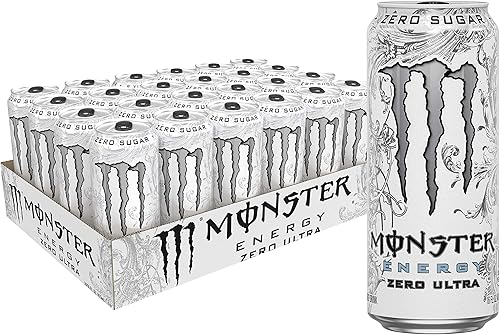
Monster Energy Zero Ultra, Sugar Free Energy Drink, 16 Ounce (Pack of 24)

Energetic drinks

Energy drinks generally have in their composition, in addition to carbohydrates:
Monster Energy Zero Ultra, Sugar Free Energy Drink, 16 Ounce (Pack of 24)

button

- Taurine: is an amino acid that participates in important physiological functions, such as the rapid excretion of toxic products in the body. The long-term effects of their consumption on our health are not well known.

- Glucoronolactone: it is a carbohydrate that has a detoxifying function and helps in the metabolization of substances.

- Caffeine: accelerates cognition, reducing fatigue and increasing the state of wakefulness.

- Inositol: this isomer of glucose prevents the accumulation of fat in the liver and improves brain communication, memory and intelligence.

- Vitamins: the main ones found in energy drinks are niacin, B6, B12, riboflavin and pantothenic acid. Its presence is related to the replacement of recommended doses.

The combination of these components results in a drink that is pleasant to the palate and provides energy and a lack of sleep for various activities: from extra hours of study to greater willingness to enjoy a party. A single can is able to guarantee these effects for up to three hours, depending on the person's body. Thus, it is not difficult to understand why its consumption, between 2006 and 2010, increased by more than 300%, according to the Brazilian Association of Soft Drink and Non-Alcoholic Beverages (ABIR).

Despite these effects, energy drinks should be consumed sporadically and in moderation, as they mask the individual's fatigue, cause insomnia and can significantly increase heart rate. In addition, very high levels of caffeine can trigger seizures, stroke and even death. The drink is also able to accelerate the loss of calcium and magnesium by the body, resulting in cramps and, in the long run, osteoporosis; and it has a high power to provoke addiction, which can become a significant problem.

Ingested or mixed with alcoholic beverages, these drinks can cause dehydration, since caffeine and alcohol are diuretic substances. This mixture can also intensify the effects of alcohol, but masking their drunkenness, since the person feels much less sleepy than they usually would. This allows the person to have no difficulty drinking too much, creating a greater tendency towards risky behavior.

Considering the above, here's the tip: never consume more than two cans of energy drink in the same day and avoid mixing this drink with alcoholic ones. If you do, define beforehand, and in a sensible way, the maximum amount of these substances you will take, and keep this commitment, drinking plenty of water in between. In this situation, do not drive!

Pregnant women should never use energy drinks, as this can cause miscarriage or the birth of a low birth weight baby.

Curiosity:
Energy drinks do not fulfill the same objective as sports drinks, also called isotonic drinks. These drinks based on water, minerals and carbohydrates have the function of replacing liquids, electrolytes and carbohydrates that are usually lost, mainly through sweat, during intense physical activities, such as competitive running.


Monster Energy Zero Ultra, Sugar Free Energy Drink, 16 Ounce (Pack of 24)

Saturday, April 11, 2020

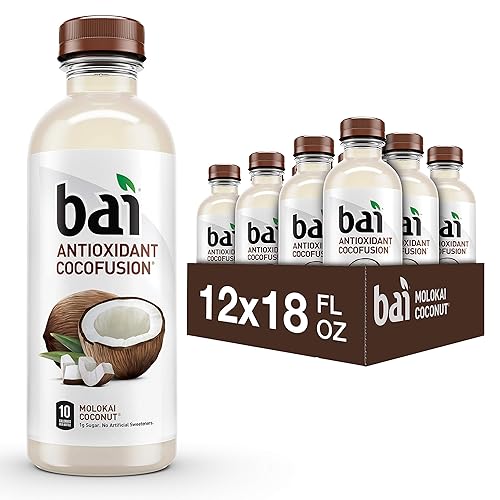
Bai Coconut Flavored Water, Molokai Coconut, Antioxidant Infused Drinks, 18 Fluid Ounce Bottles, 12 count

10 health benefits of coconut water

Drinking coconut water is a good way to cool off on a hot day or to replace lost mineral salts through sweat during physical activity. It has few calories and practically no fat or cholesterol, having more potassium than 4 bananas.

Coconut water is extracted from green coconut and is especially indicated during intense physical activity, but it is a good option to cool off on the beach. Because it is a natural sports drink, it can be consumed by people of all ages, including babies, and it has no contraindications, making it a good way to treat a hangover and help eliminate kidney loss.

Bai Coconut Flavored Water, Molokai Coconut, Antioxidant Infused Drinks, 18 Fluid Ounce Bottles, 12 count

button

1. Hydrate the body
Coconut water replenishes electrolytes, has a slightly sweet taste, and can be drunk cold. Having a pleasant taste, you can take advantage of drinking coconut water when you are thirsty to ensure hydration of the body, skin and hair.

2. Fight the hangover
Drinking coconut water is a good option to treat a hangover faster. It contains calories and sugar that raise blood glucose, treating symptoms such as discomfort and bloating as it helps cleanse the liver.

3. Improve kidney function
Being water, it passes through the entire digestive tract and finally reaches the blood, helping to remove toxins and stimulating kidney function, producing more urine. The more urine is produced, the greater the mobilization of the small crystals that form, giving rise to kidney stones, and in that case it acts in prevention and treatment.

4. Does not favor weight gain
Each 200 ml of coconut water has 38 calories so it is not fattening, in addition to having a good flavor it helps hydrate the body. Since it has carbohydrates, it perfectly substitutes any juice, being a good option for lunch. You can accompany it with a whole wheat bread and a slice of white cheese and tomato with oregano, for example.

5. Clean the skin
In addition to cleansing the body from the inside out by detoxifying the liver and intestines, which improves skin health, you can also choose to apply coconut water to your face when you are practicing physical activity in the sun, for example. It cleanses and refreshes the skin without causing any aggression.

6. Improve digestion
Coconut water helps treat indigestion, heartburn and reflux, being a good option for pregnant women. It is also recommended for those who suffer from constant vomiting since it cleanses and hydrates the esophagus, calming the irritation caused by the acidity of the stomach content.

7. Help control blood pressure
The potassium present in coconut water helps lower high blood pressure, lowering the risk of heart disease, since potassium neutralizes the effect of sodium on the body.

8. Regulate cholesterol
Regular consumption of coconut water helps decrease the atheroma plaques inside the arteries to reduce cholesterol, increasing the output of the heart. For it to have this effect, it is necessary to follow the doctor's instructions to reduce cholesterol levels, being an extra help in treatment.

9. Combat cramps
The coconut gua contains calcium and magnesium that help the health of the muscles, being efficient for the prevention and treatment of cramps in those who practice physical activity. It helps lower blood pressure, promoting muscle relaxation and promoting the production of serotonin, a hormone related to pleasure and well-being.

10. Improve intestinal transit
Coconut water is good for the intestine because it helps those who suffer from constipation, such as those with diarrhea or loose stools. The amount necessary for each case can vary from person to person, so it is recommended to check every day if the stool is too liquid to adjust the consumption of coconut water.

There is not a recommended amount of coconut water that should be consumed daily, but it is always good not to drink it in excess since it contains electrolytes that can unbalance the body. Thus, people with diabetes or kidney problems should not drink more than 3 glasses of coconut water a day.

In case they do not have easy access to green or ripe coconut to take the water, you can choose to buy industrialized coconut water, since it has the same effects, being a healthier option than powdered or concentrated juices.

Coconut Water Nutritional Information
The table below contains the nutritional information for 100 mL of coconut water:

Nutritional components Coconut water

  • Energy 22 calories
  • Proteins 0 g
  • Fat 0 g
  • Carbohydrates 5.3 g
  • Fibers 0.1 g
  • Potassium 162 mg
  • Vitamin C 2.4 mg
  • Calcium 19 mg
  • Phosphorus 4 mg
  • Iron 0 mg
  • Magnesium 5 mg
  • Manganese 0.25 mg
  • Sodium 2 mg
  • Copper 0 mg
  • Zinc 0 mg


Bai Coconut Flavored Water, Molokai Coconut, Antioxidant Infused Drinks, 18 Fluid Ounce Bottles, 12 count