How to treat nasal congestion with medication
Nasal congestion can be alleviated by using over-the-counter pharmacies. However, patients should consult a doctor or pharmacist and read the label thoroughly before using the following nasal congestion drugs.
- Ointments containing camphor, menthol or eucalyptus Apply on the chest area to help relieve stuffy nose. Allowing to breathe fluently But should not be used with children under 2 years of age
- Nasal tablets or syrup It is considered a safe drug if it is necessary to be used for a long time. Commonly used drugs include ephedrine ephedrine. (Pseudoephedrine) and Phenylenene (Phenylephrine)
- Nasal sprays, such as Ephedrine and Oxymethylene (Oxymetazoline) can help relieve nasal congestion as well. But should not be used for contact for longer than 5-7 days because if used longer than this may cause congestion after use And avoid using this drug with children under 6 years. Children 6-12 years may use this drug for a maximum of 5 days without effective treatment.
- Nasal Spray Steroid Drugs Is a drug used to relieve nasal congestion. Especially when it is caused by allergies or hemorrhoids in the nose This drug will help reduce swelling within the nose. Safe for children and adults And medication should be supervised by a physician if used for a long time.
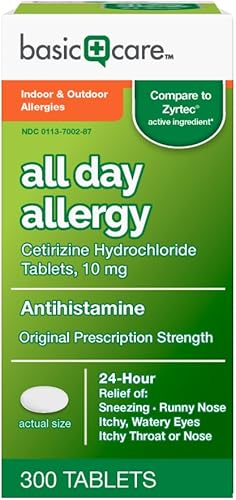
- Antihistamines in the event that the cause is caused by allergies such as nasal congestion, accompanied by a continuous runny nose, sneezing, itching or watery eyes Taking antihistamines such as Loratadine or Cetirizine will help reduce other symptoms of the disease at once. In addition, some cold medicines may be found to contain antihistamines as well. The antihistamines should be taken at night before going to bed because there may be side effects causing drowsiness.
- Pain relief medication Although it does not help relieve nasal congestion But pain relievers such as paracetamol, ibuprofen, or naproxen can be taken orally to help reduce the pain caused by nasal inflammation.

Taking care of yourself when having a stuffy nose
Common symptoms of nasal congestion may be relieved by taking care of yourself according to the following rules.
- Inhale the nose and swallow the snot Or gently blow out the snot
- Avoid all the irritants that may cause more allergies, such as dust mites, cigarette smoke and sudden climate change.
- Drink enough water to help keep the mucus from clinging and blocking the nasal passages.
- Use a cloth moistened with warm water to wring it over the face. Is to help open the nasal cavity tightly For easier breathing
- Breathing in the face and steam from the hot water boiler will help to breathe normally. Do 5-10 minutes.
- Raising your head higher than normal during sleep at night will make it easier to breathe.
- Use a humidifier in the house.
- Nasal congestion in infants and young children, use red rubber balls to gently suck out mucus.
- Use a saline solution to wash the nasal passages to keep the nasal passages moist and not dry, as well as to help clear the mucus. You can buy equipment for washing the nose at general pharmacies. And there are also ready-made saline sprays to choose from However, in case of preparing the equipment by yourself The brine used for washing should be cleaned through boiling. And keep the equipment clean by washing and drying after using.
Causes of stuffy nose
Nasal congestion can be caused by any cause that causes irritation or inflammation in the nasal tissue, such as infection, allergens, or various diseases. The common causes of nasal congestion are:
- Cold and other respiratory infections such as influenza And sinusitis
- Allergy which may have stuffy nose Together with runny nose, sneezing, itchy eyes etc.
- Hemorrhoids are caused by chronic inflammation of the nasal mucosa and inside the nasal cavity. Causing a soft lump protruding to obstruct him until breathing is difficult
- Chronic rhinitis
Amazon Basic Care All Day Allergy Cetirizine Hcl Tablets 10 mg, 300 Count
